Will Disconnecting Battery Reset Codes?
A flashing check engine light is enough to make any driver’s heart skip a beat. You might be tempted to yank the negative battery terminal, hoping it erases those fault codes and silences the warning.
While that trick often clears the code temporarily, it doesn’t fix the actual mechanical issue triggering the alert. Modern vehicles store permanent diagnostic trouble codes in non-volatile memory, meaning they survive power loss to ensure emissions compliance. Knowing this distinction saves you time and prevents those annoying recurring warnings.
I’ll walk you through how vehicle memory behaves during a battery disconnect, then review the tools that properly read and clear these codes for good.
How Vehicle Memory Stores Fault Codes
Recommended Products
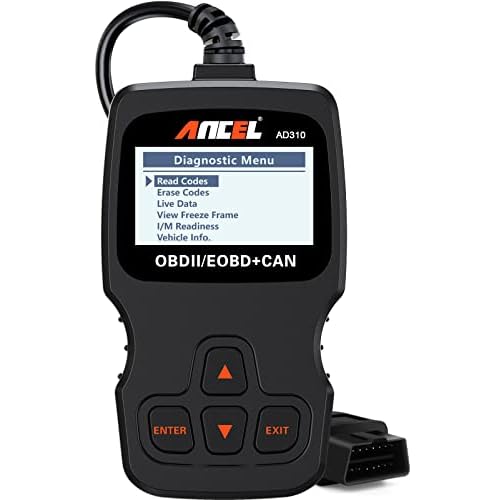

Modern cars run on complex computer systems that monitor everything from fuel mixture to emissions. These systems stash data in different types of memory, and knowing where those codes live helps you manage repairs without guessing.
Temporary Code Storage
Volatile memory needs constant power to hold onto information. When you disconnect the battery, this memory gets wiped clean. Pending codes often hang out here until a drive cycle confirms them. Clearing this memory also resets your engine’s adaptive learning parameters.
Your engine control unit then has to relearn fuel trims and idle settings, a process that takes several driving cycles. During this time, you might notice the car feels a bit sluggish or inconsistent. Don’t panic, drivers often mistake this relearning phase for a new problem.
Permanent Diagnostic Codes
Non-volatile memory keeps data even without power. Manufacturers use this space to store permanent diagnostic trouble codes, specifically tracking emissions-related faults. Disconnecting the battery won‘t erase these; the vehicle keeps this record for regulatory reasons. Smog checks often scan specifically for these permanent codes.
If a serious fault happened recently, it stays flagged. The only way to clear these permanent records is fixing the root cause. A scanner can tell you if a code is pending or permanent, which is crucial for passing state inspections.
- Radio presets and clock settings will reset immediately.
- Power window auto-up features may need recalibration.
- Sunroof position sensors might require manual relearning.
- Idle air control values reset to factory defaults.
- Transmission shift points return to baseline programming.
Why Codes Return After Battery Reset
Recommended Products


Clearing codes by cutting power is just a temporary band-aid. Your vehicle’s computer constantly monitors sensor data, and if the physical problem is still there, the code will come back fast.
The check engine light turns on when sensor readings drift outside expected parameters. Disconnecting the battery might kill the active warning light initially, but the onboard diagnostic system runs continuous self-tests. These monitors keep an eye on oxygen sensors, catalytic converters, and ignition systems.
If a faulty oxygen sensor is still sending bad data, the computer catches it again. The code reappears after a few drive cycles, confirming the issue is mechanical, not electronic. Relying on battery disconnection just masks symptoms instead of solving problems.
Proper diagnosis means reading the specific code first to identify exactly which system needs attention. Fixing the root cause is the only way to stop the code from returning permanently.
Code Behavior After Power Loss
| Code Type | Survives Disconnect | Clears With |
|---|---|---|
| Pending Codes | No | Battery Disconnect |
| Confirmed Codes | Yes | Scanner Tool |
| Permanent Codes | Yes | Repair Only |
Tools To Properly Clear Engine Codes
Using a dedicated scanner ensures you clear codes the right way. These tools read live data and confirm your repairs actually worked. They also reset monitors without wiping out other important vehicle settings. I’d suggest choosing a device that matches your specific diagnostic needs and budget.
|
1
|
ANCEL AD310 Classic Enhanced Universal OBD II Scanner Car Engine Fault Code Reader CAN Dia |

This basic reader clears standard emission codes quickly and affordably for most drivers.
The ANCEL AD310 is a straightforward tool for reading and clearing check engine lights. It supports all OBDII protocols for vehicles made after 1996. Since it draws power directly from the port, you don’t need to worry about batteries. Its compact design fits easily in a glove compartment for emergencies.
The screen displays results clearly with simple button navigation. This model focuses on essential engine diagnostics without extra complexity.
Ideal for homeowners wanting a simple code clearer. It handles basic emission system faults effectively. However, it does not read ABS or airbag codes, so users seeking advanced system diagnostics should look elsewhere. The build quality feels sturdy despite its low price point.
It serves as a reliable first step for DIY troubleshooting.
|
2
|
Innova 5210 OBD2 Scanner & Engine Code Reader, Battery Tester, Live Data, Oil Reset, Car D |

Combines code clearing with battery testing to address electrical causes of faults.
The Innova 5210 merges OBD2 scanning with battery health checks. It reads and clears engine and ABS trouble codes efficiently. The built-in battery tester checks alternator output and voltage levels, helping identify electrical issues that might be triggering warning lights. Live data streaming shows real-time engine parameters like RPM.
The accompanying app provides repair guidance without subscription fees.
Best for drivers suspecting electrical gremlins behind their codes. The battery test feature adds significant value over basic readers. It covers most Asian, European, and domestic vehicles reliably. Some users report slower Bluetooth connectivity with the app, but the physical unit remains robust for regular garage use.
It offers a balanced mix of diagnostics and maintenance tools.
|
3
|
ANCEL AD410 PRO OBD2 Scanner and Battery Tester, 2-in-1 Car Diagnostic Tool, Check Engine |

Offers deep engine diagnostics plus comprehensive battery system analysis in one unit.
The ANCEL AD410 PRO upgrades standard scanning with battery system tests. It decodes over 42,000 SAE diagnostic trouble codes instantly. The tool performs cranking and charging system evaluations accurately, helping distinguish between bad batteries and failing alternators. Live data graphs visualize sensor trends for deeper insights.
I/M readiness checks ensure your car passes smog tests smoothly.
Suited for enthusiasts wanting detailed system health reports. The battery analyzer prevents unnecessary part replacements effectively. It does not support transmission or airbag system diagnostics, but the interface remains intuitive despite its advanced features. Users appreciate the freeze frame data for tracking intermittent faults.
This tool bridges the gap between basic readers and professional scanners.
|
4
|
OBD2 Scanner and Battery Tester, 3-in-1 Car Code Reader with Cranking Test | OBD2 Scanner |

Provides specialized circuit diagnosis alongside standard code clearing and battery tests.
This T300PRO scanner features exclusive OBD breakout circuit diagnosis. It locates ECU communication faults and loose wiring issues quickly. The tool reads and clears engine codes while testing 12V batteries. Six dedicated battery modes analyze health and cranking performance, supporting various battery types including AGM and GEL cells.
Live data monitoring helps spot sensor anomalies in real time.
Perfect for diagnosing tricky connection problems ordinary scanners miss. The circuit diagnosis feature sets it apart from competitors. It works well for training purposes and complex repairs. The interface may overwhelm absolute beginners initially, but the detailed data justifies the learning curve.
It offers professional-level insights at a consumer-friendly price point.
|
5
|
BLCKTEC 460T OBD2 Scanner Car Code Reader Engine ABS SRS Transmission Diagnostic Tool, 12 |

Clears codes across all major systems including ABS and transmission with reset services.
The BLCKTEC 460T performs all-system diagnostics for engine, ABS, and SRS. It offers twelve dealer-level reset functions like oil and TPMS resets. AutoVIN technology retrieves vehicle identification numbers automatically, speeding up the diagnostic process significantly. Real-time live data graphs allow detailed trend analysis.
The tool clears codes from multiple control modules effectively.
Ideal for home mechanics tackling diverse repair jobs. The reset services save trips to the dealership for minor issues. Function availability varies by vehicle make and model, so users should verify compatibility before purchasing for specific cars. The build quality supports frequent professional use.
It delivers comprehensive diagnostics without requiring expensive subscriptions.
|
6
|
TOPDON AD500 OBD2 Scanner Car Diagnostic Tool, Engine ABS SRS Transmission | Oil SAS Throt |

Resets maintenance lights and clears codes for four major vehicle systems efficiently.
The TOPDON AD500 covers engine, transmission, ABS, and SRS diagnostics. It provides six maintenance reset functions including throttle adaptation. Smart AutoVIN tracks vehicle details for accurate diagnostics. Live data streams visualize complex information in chart form, simplifying problem detection for DIY users significantly.
The tool supports modern CAN FD protocols for newer cars.
Great for owners of recent GM and Chrysler vehicles. The FCA AutoAuth access ensures compatibility with secure gateways. It balances advanced features with an affordable price tag. Some older models may have limited reset function support, but the Wi-Fi update capability keeps the database current easily.
It serves as a versatile tool for regular maintenance tasks.
|
7
|
Autel AL549 OBD2 Scanner Code Reader with ABS Diagnostic & Battery Test | Enhanced Check & |

Reads and clears ABS codes while testing battery and charging systems comprehensively.
The Autel AL549 combines OBD2 diagnostics with ABS code reading. It tests starting and charging systems to pinpoint electrical faults. One-click I/M readiness checks simplify smog test preparation. The tool reads enhanced codes for Ford, GM, and Chrysler. Auto VIN technology identifies the vehicle automatically upon connection.
It erases ABS warning lights alongside standard engine codes.
Suited for drivers needing ABS diagnostics without full system scanners. The battery test function adds practical value for aging cars. ABS coverage excludes models manufactured after 2020 currently, so users should check compatibility for newer vehicles before buying. The interface remains user-friendly for occasional DIYers.
It offers a solid middle ground between basic and pro tools.
|
8
|
VEHLIVE OBD2 Scanner Diagnostic Tool, Check Engine Light Car Code Reader with Reset, Batte |

Features a massive DTC library for quick code identification and basic battery checks.
The VEHLIVE V880 includes over 98,000 built-in diagnostic trouble codes. This extensive library eliminates the need for online searches. It reads and clears engine codes while monitoring live data. The integrated battery tester checks voltage levels quickly. One-click I/M readiness hotkeys display sensor status instantly.
The tool supports multiple languages for international users.
Best for those wanting instant code definitions without internet access. The large DTC database speeds up troubleshooting considerably. It lacks advanced system diagnostics like ABS or SRS, and the battery test is basic compared to dedicated analyzers. However, it excels at fundamental engine code management.
The portable design makes it easy to keep in the car.
|
9
|
OBD2 Scanner with Battery Tester, Easy-to-Use Car Code Reader, Accurate | Reads & Clears E |
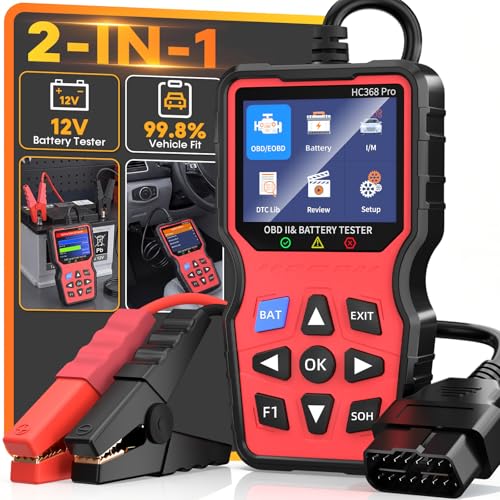
Delivers fast plug-and-play code clearing with precise battery conductance testing.
This 2-in-1 scanner reads and clears check engine codes rapidly. It performs complete 12V battery health tests using conductance technology. The tool measures CCA, SOC, and internal resistance accurately. No apps or computers are required for operation. The 2. 8-inch HD screen displays clear text in sunlight.
It supports all 1996 and newer OBD2 vehicles universally.
Ideal for quick pre-trip scans and used car checks. The plug-and-play design appeals to non-technical users. It lacks advanced reset functions found in pricier models, but the core diagnostic capabilities remain robust and reliable. The compact size fits conveniently in any glove box.
It offers excellent value for basic code clearing needs.
These tools provide reliable ways to clear codes properly. They ensure you address the root cause rather than just hiding symptoms. I’d select a scanner based on your vehicle age and how deep you need to dig diagnostically.
Steps To Clear Codes Correctly
Properly clearing codes involves more than just pressing a button. Follow these steps to ensure the vehicle computer accepts the reset, helping prevent immediate code recurrence.
Plug the scanner into the OBDII port under the dashboard firmly.
Turn the ignition to the on position without starting the engine.
Navigate the menu to read and record all current trouble codes.
Repair the identified mechanical issue before attempting to clear.
Select the clear codes option and wait for the confirmation message.
After clearing the codes, start the engine and let it idle. Watch for the check engine light to remain off. Take the vehicle for a short drive to complete drive cycles. This allows the computer to run self-tests on monitored systems. If the light returns immediately, the issue persists.
Re-scan the vehicle to check for pending or permanent codes. Repeat the repair process if necessary. Proper clearing ensures the vehicle operates efficiently and prepares the car for emissions testing successfully.
When To Seek Professional Help
Some diagnostic situations exceed the scope of basic DIY tools. Recognizing these limits saves money and prevents further damage. Know when to consult a certified mechanic.
- Codes return immediately after clearing despite visible repairs.
- Multiple unrelated systems show fault codes simultaneously.
- The vehicle exhibits severe drivability issues like stalling.
- Permanent codes persist after completing full drive cycles.
- Diagnostic tools fail to communicate with the vehicle ECU.
Intermittent Electrical Faults
Wiring harness issues often cause sporadic code triggers. Basic scanners cannot trace broken wires inside looms. Professionals use oscilloscopes to view signal integrity, identifying chafed wires or corroded connectors. These physical defects mimic sensor failures frequently. Attempting to fix them without proper tools risks damage.
A mechanic can perform pin-out tests safely, ensuring accurate identification of the electrical break.
Software Calibration Needs
Modern vehicles require software updates for certain repairs. Clearing codes may not recalibrate adaptive learning fully. Dealerships have proprietary tools for module programming, while aftermarket scanners lack access to these secure servers. If a repair involves module replacement, coding is essential.
Skipping this step leads to poor performance or new codes. Professionals ensure all modules communicate correctly, maintaining vehicle safety and efficiency standards.
Disconnecting the battery clears temporary pending codes but leaves permanent diagnostic records intact. The check engine light will likely return if the mechanical fault remains unfixed.
My advice is to use a dedicated OBD2 scanner to read the specific code first, repair the underlying issue, and then clear the code properly. This approach ensures your vehicle runs safely and passes emissions tests. Keep a basic scanner in your glove box for quick checks.

- 10 Best Battery For Generator Ev Battery Bank Marine 2026 - October 27, 2026
- 10 Best Battery For Generator Ev Battery Bank Lto 2026 - October 27, 2026
- 10 Best Battery For Generator Ev Battery Bank Low Voltage 2026 - October 27, 2026