How Long Do Cr2032 Batteries Last?
A CR2032 usually feels “lasting” until the device starts acting flaky, then it dies fast. The spec that matters most is your device’s current draw, and the common mistake is using shelf-life expectations for in-device runtime. Check the device label for battery type (CR2032 is 3V) and, if available, the sleep and active power or current. After that, you can predict months vs years based on usage pattern.
CR2032 batteries typically last from about 2 to 10 years, depending on the device. Low-drain devices like remotes and watches often land in the multi-year range, while higher-drain medical alarms or sensors can be 6 to 24 months. Real runtime depends on current draw, duty cycle, temperature, and how often the battery gets a load.
How Long Do Cr2032 Batteries Last?
Recommended Products


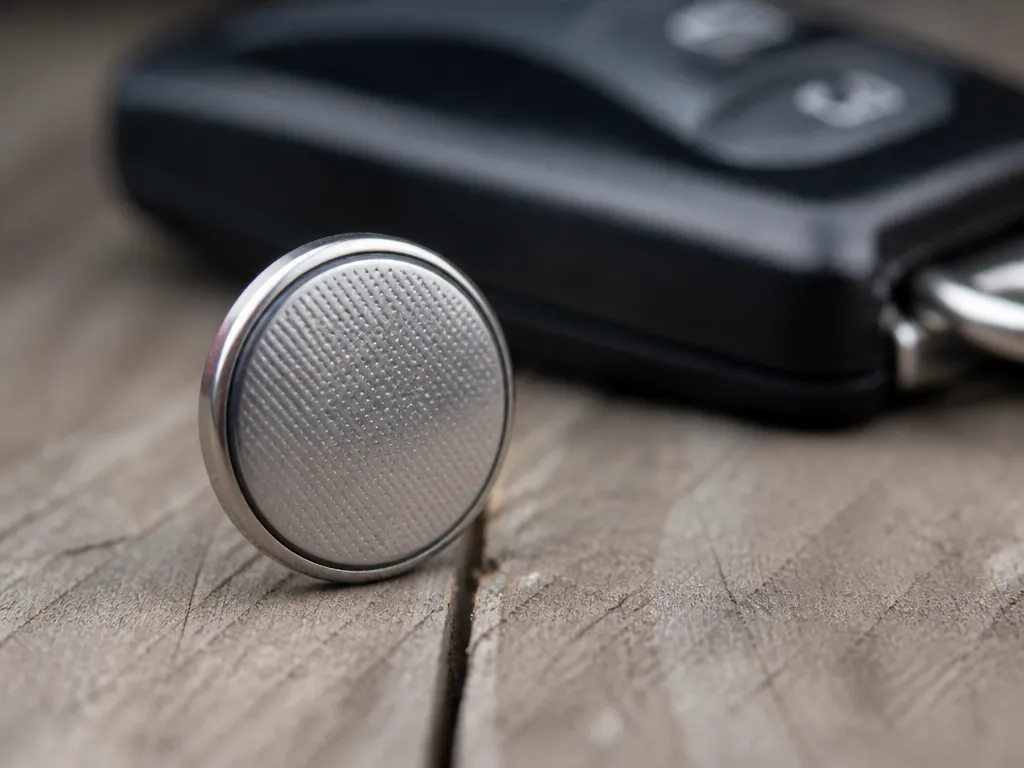
A typical CR2032 lasts roughly 2 to 10 years in low-drain devices, with longer life (often near the high end) for intermittent use and shorter life for high-drain electronics. Car key fobs and active remotes tend to be nearer the low end because they draw current in bursts and may transmit often. Battery life is driven by the device’s average current draw, not just the battery’s stamped capacity.
For a quick at-a-glance expectation, use this table as a starting point, then sanity-check with the device’s battery drain (average current or duty cycle if listed in the manual).
| Common CR2032 use | Typical real-world lifespan | Why it falls where it does |
|---|---|---|
| Watches (timekeeping only) | 3 to 10 years | Very low average current, steady duty |
| Remotes (infrequent button presses) | 2 to 6 years | Higher bursts during transmission, then idle |
| Car key fobs | 1 to 4 years | Radio transmission bursts can be frequent, plus some devices monitor inputs |
| Medical devices (intermittent sensors) | 1.5 to 5 years | Depends heavily on measurement interval and alert patterns |
| Small kitchen tools (timers, thermometers) | 2 to 5 years | Display/backlight and measurement rate can dominate drain |
Device specs hint at expected life. CR2032 is a lithium primary cell, so it does not “recharge back,” and performance declines as voltage sags under load, which can trigger early “low battery” warnings even while some capacity remains.
Rule-of-thumb method: if you can find average current draw (or estimate it from “battery life” and capacity), higher average current means much shorter life because the cell’s capacity is consumed by average drain, not by the number of times you open the door or press the button.
Battery life also varies with temperature and how the device loads the cell. Cold weather and heavy bursts (RF transmit, loud beeps, bright displays) can make a CR2032 seem weak sooner, while gentle, intermittent load can extend it well beyond the midpoint of the range.
Variables That Affect Runtime
Recommended Products


Internal chemistry and storage history also matter, since the cell slowly loses usable performance even when it sits idle.
Temperature is the next big runtime lever because CR2032 output and internal resistance shift with cold and heat. Cold temperatures increase internal resistance, so the device may stop operating at a higher state of charge than it would in warm conditions. Heat accelerates chemical aging, so a cell used near hot surfaces or left in a hot car will typically decline faster.
For example, a key fob stored in a cold winter garage can show reduced range or intermittent button response even if the battery still looks “fine” at room temperature. For medical devices, thermostatic storage requirements and battery compartment conditions matter just as much as the device’s measured microamp draw.
Brand and chemistry consistency also affects real-world runtime because CR2032 cells are manufactured to slightly different tolerances for capacity and impedance. Even when two cells both measure 3.0 V to 3.2 V on a multimeter, their usable energy under load can differ, especially for devices that demand stable voltage. Older stock has had more time to self-drain and age, so “new in the package” is not the same as “freshly manufactured.”
| Runtime variable | What changes in real use | What you may notice |
|---|---|---|
| Average current and duty cycle | Higher average draw reduces usable energy faster | Earlier-than-expected failure, especially in devices that wake often |
| Temperature | Cold raises resistance, heat accelerates aging | Cold-weather unreliability, faster decline after hot storage |
| Brand consistency and storage time | Capacity and internal impedance vary across manufacturers and age | Two “same voltage” cells behave differently in the same device |
Safety note: if a CR2032 looks swollen, leaks, or the device shows signs of overheating, stop using it immediately and replace the cell. Coin cells can fail in ways that damage the device, and lithium chemistry is unforgiving when damaged or shorted.
Estimate Runtime With A Simple Method
Recommended Products


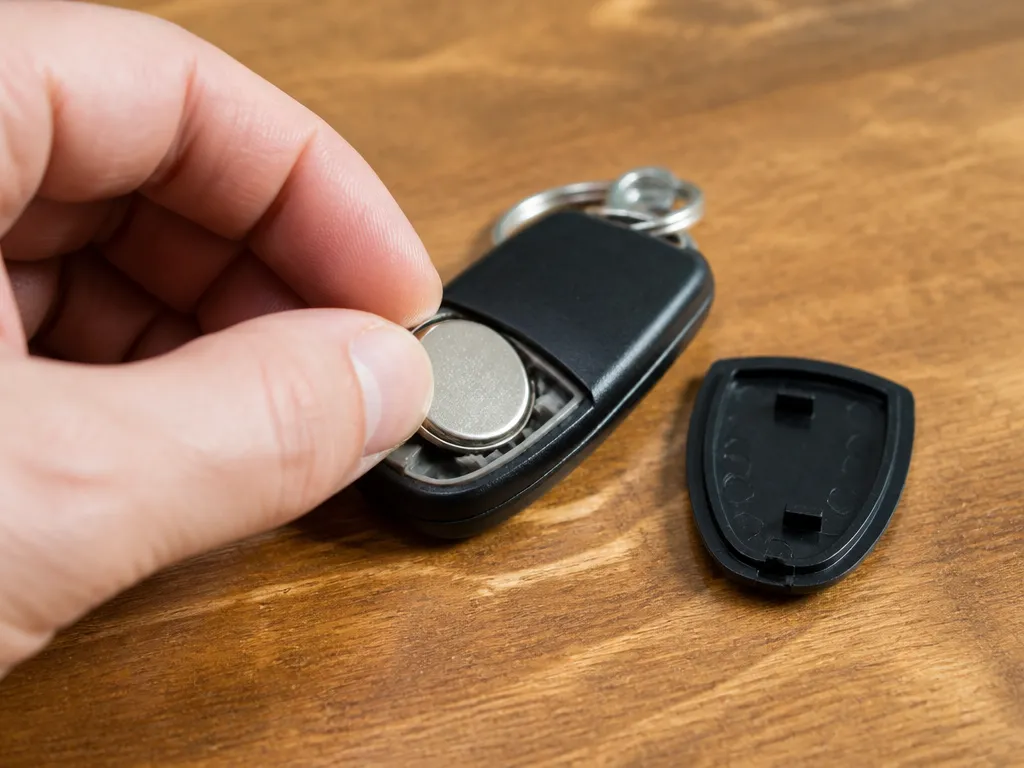
CR2032 runtime depends on current draw, so the easiest estimate uses capacity (mAh) divided by average current (mA). A rough model is: runtime (hours) = capacity (mAh) ÷ average current (mA). Real life usually comes out lower because devices draw bursts and voltage drops near end-of-life.
Capacity-based math works best when you can estimate average current from device behavior. CR2032 capacity is typically given in mAh at a specific discharge rate, and that rate may not match your device. Treat the result as an approximation range, then refine it with duty cycle.
Convert The Numbers You Can Verify
Start with what you can see on the device or in its manual: operating voltage (often 3 V), and current draw (mA) or current in different modes. If you only have consumption in microamps (µA), convert it to mA by dividing by 1000. Then compute average current using duty cycle: average current = (current during active time × active fraction) + (current during sleep time × sleep fraction).
| What you know | What to do | Units to use |
|---|---|---|
| Capacity labeled on pack or datasheet | Use mAh directly | mAh |
| Sleep current (µA) | Convert to mA and include it in duty cycle | µA to mA (÷1000) |
| Active current (mA) and time fraction | Compute average current | mA × fraction |
| Computed average current | Compute runtime hours, then convert | Hours, then ÷24 or ÷24÷30 |
Shortcut conversions: runtime (days) = runtime (hours) ÷ 24. runtime (months) is roughly runtime (days) ÷ 30. If your device runs intermittently, average-current duty cycle gives a better estimate than using only the “active” current.
Factoring in bursts often swings the result a lot. For example, if your device is mostly asleep but sends a signal for a fraction of time, the sleep current can dominate long-term runtime, while the burst current drives the end-of-life cutoff. That is why the same CR2032 can last years in a low-drain watch but much less in an appliance that wakes frequently.
Worked Examples By Device
Recommended Products

For CR2032 budgeting, treat the cell like a “small reservoir” that depletes with current and time. A simple way to estimate is runtime in hours equals usable capacity in mAh divided by average current in mA, then convert hours to years. If you do not have mAh for the device, use typical behavior: battery use in remotes is pulses, while watches and medical devices run continuous electronics.
| Device example | Typical usage pattern | Typical average current (order of magnitude) | Common real-world lifespan range |
|---|---|---|---|
| Key fob, car remote (presses, not continuous) | Intermittent RF bursts | Very low average (often tens of µA or less) | ~2 to 5+ years (varies heavily by range and how often you press) |
| TV remote, small IR remotes | Short button presses | Low average (often under 0.1 mA) | ~1 to 4 years |
| Wristwatch (quartz) | Continuous timing drive | Low µA-range draw | ~2 to 7+ years depending on model and temperature |
| Wearable sensors (BLE tags, activity sensors) | Periodic radio + occasional bursts | Low to moderate average (depends on reporting interval) | ~6 months to 3+ years |
| Medical alert (emergency button, occasional alerts) | Continuous standby, periodic transmissions | Low standby µA plus occasional higher bursts | ~2 to 5 years, with faster drain if alerts trigger often |
For example, a car key fob that transmits only when you press the button can stretch the life because the radio is “on” for short bursts. A remote that is used more frequently, or one with weak signal conditions (more repeated attempts to pair or unlock), increases average current and shortens life.
For instance, a TV remote draws current mainly during each IR LED flash and in the control electronics during button events. Heavy use (kids running through every channel) can drop lifespan toward the low end of typical ranges because the battery spends more time in repeated high-drain events.
Wristwatches are a common baseline because the timing circuitry runs continuously at very low power. Temperature swings can change behavior, and cheaper watches sometimes draw more than the best-designed ones, so the real-world years-to-replacement can vary even with the same CR2032 brand.
In practice, wearables and small sensors swing the most because firmware decides how often it wakes, samples, and transmits. A sensor that reports more frequently, stays connected longer, or uses frequent alarms will pull down the battery much faster than the same hardware used with conservative settings.
Medical alerts are often described with “years in standby” behavior, but frequent activations can drain them quickly. Safety check: if a medical device shows intermittent operation, slow alert response, or low-battery indicators, replace the cell promptly because reliability matters more than squeezing out extra months.
Practical rule-of-thumb: If your device is “always on” (watch, standby medical electronics), expect years. If your device transmits only when triggered (key fob, remote), expect multiple years with heavy use reducing the range.
End Of Life: Voltage Drop And Cutoff
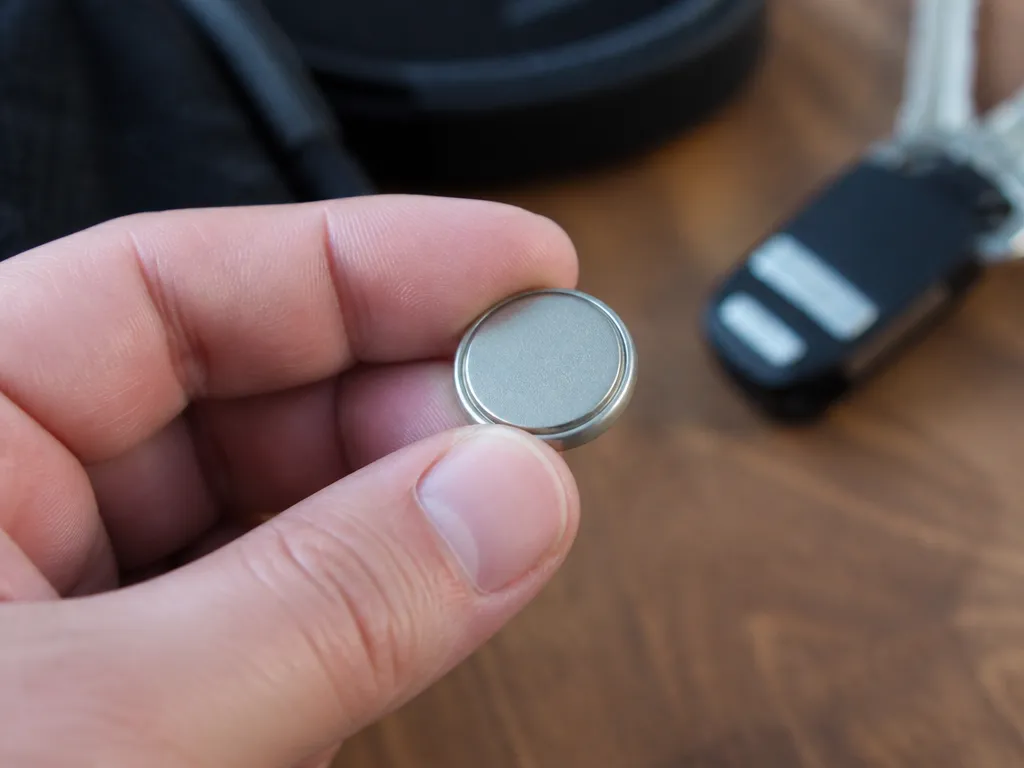
CR2032 “end of life” is the point where the device can no longer run reliably because the battery voltage sags under load, even if some capacity remains. Many devices stop or enter a low-power mode when their electronics detect a threshold voltage, so performance can decline before the battery is truly empty.
Open-circuit voltage (battery voltage with no load) tells a different story than under-load voltage (voltage while the device draws current). As CR2032 cells age, their internal resistance rises, so the under-load voltage drops faster, which causes resets, dim screens, weak RF range, or premature “low battery” warnings long before the cell reaches a flat line.
Device cutoff points and tolerance determine when you notice the problem. A watch might keep time until the processor can no longer clock reliably, while a key fob might fail to transmit at range when the transmitter voltage dips during a burst current. These thresholds vary by manufacturer and even by firmware revision, so two devices using “the same CR2032” can feel like they have very different lifespans.
Temperature also changes the voltage situation. Cold conditions increase internal resistance, which means the battery voltage drops more under the same load, and the device may behave like the battery is “dead” sooner even when capacity is still present.
In practice, brand differences can change internal resistance and voltage regulation behavior, so the same nominal cell type can reach cutoff at different times. Load pattern matters most: a device that draws high-current bursts for transmission (remote, key fob, some sensors) can hit cutoff sooner than a device with a tiny continuous draw, even if total capacity seems similar on paper.
Safety check: discontinue use immediately if a CR2032 is swollen, leaking, or corroded around the rim. Swelling can indicate internal damage, and corrosion can raise resistance and worsen under-load voltage sag, while also risking damage to the device contacts.
Shelf Life Vs Operating Life
Storage life is usually measured in years under cool, dry conditions, but once installed the cell ages based on its electrical load and temperature. Brand, device design, and duty cycle change the real-world timeline more than “best before” dating alone.
For storage time before use, treat CR2032s as aging by calendar plus conditions. Heat speeds up internal aging and can increase leakage or reduce usable capacity, so a coin cell stored in a hot dashboard or near a heater is at higher risk than one kept in a drawer at room temperature. A fresh date helps you plan replacements, but it does not guarantee the same runtime once the battery is powering electronics.
For in-use lifetime, the key variable is the load profile, because coin cells lose usable capacity when the device pulls current in pulses or for long stretches. Devices that sleep most of the time can stretch runtime because the average current stays very low, while devices that transmit frequently, vibrate, buzz, or keep an LED on reduce life quickly. Temperature during operation also matters, since warmer electronics increase chemical reaction rates inside the cell.
Scenario Ranges For Cr2032 In Real Devices
In practice, most CR2032-driven devices land in a wide range because CR2032 capacity is spent slowly under microamp to low-milliamp average loads, then declines rapidly as average current rises.
For example, a low-power wall clock or a basic key remote that transmits briefly can often last years, while a medical device with frequent alerts or a sensor that wakes often can deplete sooner. Watches and simple remotes vary widely based on how often they update, how strong the radio link is, and whether the device drives a high current load like illumination.
Scenario planning works best when you estimate average current, then compare it to the device’s battery budget. A practical method is to get the device spec (or measure current with a meter) and compute approximate runtime from capacity in mAh or the cell’s equivalent energy rating. Without measurements, you can still make a reasonable expectation by classifying the device as “mostly asleep,” “intermittent wake,” or “high duty-cycle,” then planning replacements accordingly.
In practice, brand differences can show up as slightly different capacity or internal resistance, which affects how long the device maintains a usable voltage under load. Voltage under load is what you feel as “it still works,” not just “capacity remaining on paper.” Temperature and load pulses can cause early “weak battery” symptoms even when the cell is not fully exhausted, so treat early warnings as a signal to plan replacement rather than wait for total failure.
| Device behavior class | What it usually means | Typical expectation (wide range) |
|---|---|---|
| Mostly asleep | Rare button presses, low-power sensing, long sleep intervals | Often multi-year |
| Intermittent wake | Periodic updates, occasional radio bursts, brief alerts | Often 1 to several years |
| High duty-cycle | Frequent transmissions, ongoing display backlight, constant alarms | Often months to about a year or two |
Buying Tips And Signs Of Deterioration
Brand, Build, And What To Check Before Purchase
CR2032s are widely sold, and the most reliable buys come from established manufacturers with consistent labeling and packaging that protects against moisture. Fresh date codes matter because button cells self-discharge during storage, and poor storage accelerates capacity loss.
Signs Of Weakening And How It Shows Up In Real Devices
Weak CR2032 batteries usually fail under load first, so symptoms can look like “random” behavior. A common pattern is that the device works normally at first, then becomes inconsistent when used frequently or when the device transmits a signal (remotes, trackers, wireless sensors).
For example, a remote control can seem “mostly fine” until you press multiple times in a row, then it starts missing commands. That happens because the battery voltage drops more under repeated peak draws, and the device’s electronics reset or refuse to transmit.
Safety: If a CR2032 is swollen, hot, leaking, or damaged, remove it carefully and keep it away from metal tools and flammables. Clean the compartment gently and dry it before installing a new cell.
Voltage Checks And Load-testing Caveats
A multimeter reading can help, but it can also mislead. Coin cells often show “near-normal” resting voltage while still having trouble delivering current when the device demands it.
| What you test | What it tells you | Key caveat |
|---|---|---|
| Resting voltage (multimeter) | Broad state of charge and gross failure | It may miss weak batteries that sag under peak current |
| Loaded voltage (tester) | Battery performance under demand | Tester method and current level matter, so readings are not perfectly universal |
| Device behavior after swap | Practical confirmation for your specific unit | Other faults (corroded contacts, holder wear, water) can mask the result |
Temperature also changes results. CR2032 performance can drop in cold conditions because internal resistance rises, so a “bad” battery in winter might look fine later, which is another reason load behavior and device symptoms matter more than a single idle measurement.
Quick Summary
CR2032 battery life is usually dictated less by “capacity” on the wrapper and more by the device’s current draw and duty cycle, because the cell is small and voltage sags under load. The cell is a 3V CR2032, and you should check the device label for battery type plus any listed sleep and active current. In real devices, CR2032 batteries typically last about 2 to 10 years, with low-drain items like remotes and watches often landing in the multi-year range, while higher-drain medical alarms or sensors can drop to about 6 to 24 months.
Beyond average current, temperature and how often the battery is loaded matter, since cold weather and frequent bursts make a CR2032 seem weak sooner. “Voltage cutoff” is another practical point, because the battery can fail when voltage drops below the device threshold even if some capacity remains. Battery shelf life is different from in-device runtime, and years sitting in storage do not equal years operating. Watch for warning signs like delayed responses, dim LEDs, missed alerts, or corrosion, and estimate replacement timing from the device’s average current draw rather than brand expectations.
Frequently Asked Questions
How Long Do Cr2032 Batteries Last In A Typical Device?
CR2032 cells usually last years in low-drain devices like key fobs and memory backup, but the runtime varies a lot by how often the device transmits or activates. Check the device’s current draw and compare it to the battery’s capacity in mAh or the manufacturer’s guidance for that specific product.
How Long Does A Cr2032 Battery Last Once You Install It, Even If It Is Not Used Daily?
Low, intermittent use can keep a CR2032 going for a long time, but frequent button presses, alarms, or Bluetooth activity can cut the life quickly. If your device uses the CR2032 continuously (for example, a sensor that wakes often), expect much shorter life than a device that only wakes briefly.
Can I Use A Charger Or Rechargeable Cr2032 To Make It Last Longer?
Do not try to “charge” a regular CR2032 in a charger, since many CR2032 batteries are not rechargeable and can be unsafe if put on a charger. If you want rechargeability, buy a device made for that purpose (for example, a manufacturer-approved rechargeable lithium coin cell) and follow its approved charging method.
Do Cr2032 Batteries Get Hot, And Is Heat A Sign They Will Fail Soon?
CR2032 should not normally get hot during normal use, and noticeable warmth can indicate a problem like incorrect installation, shorting from a damaged holder, or an incompatible device. If you see swelling, leaking, or the battery feels unusually hot, stop using it and replace it.
When Should I Replace Cr2032 Batteries, And What Is A Common Buying Mistake?
Replace it when the device starts acting up, like weak signal, delayed responses, or intermittent operation, because those symptoms often happen before the battery fully dies. A common buying mistake is getting the wrong coin cell size or chemistry, so double-check the marking is CR2032 (not CR2025 or CR2016) and match the voltage and holder requirements.

- 10 Best Battery For Generator Battery Safety System 2026 - October 12, 2026
- 10 Best Battery For Generator Battery Safety Option 2026 - October 12, 2026
- 10 Best Battery For Generator Battery Safety 2026 - October 12, 2026