Is A Car Battery Ac Or Dc Current?
Your car battery stores energy as direct current – that’s DC. It won’t give you the clean 110V AC you get from a wall socket, no matter what. This gap between what your car has and what your gadgets need trips up a lot of drivers.
You might be wondering if you can just plug your laptop in like you do at home. You can’t – and trying will fry something. Getting clear on this saves headaches later. Here’s the simple science behind it, plus some solid tools that safely bridge the power divide.
Why Car Batteries Use DC Power
Recommended Products

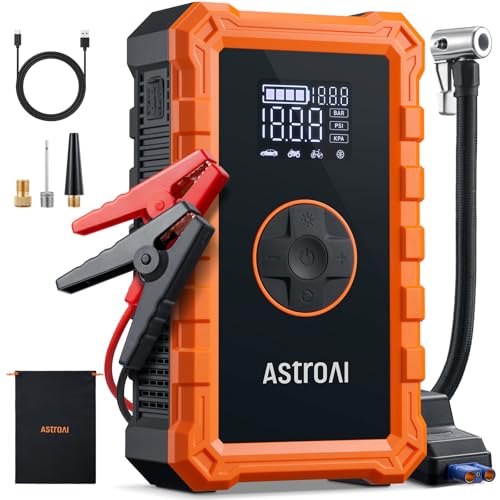
Cars run on steady, one-way electricity – that’s direct current. This section explains why DC is non-negotiable for vehicle systems and how your battery actually stores power. You’ll also see why flipping that flow back and forth would just break things.
Your car’s battery and alternator are built around direct current – electrons flow one direction only. This consistent flow is what your starter motor, lights, and onboard computers expect. Flip that current around constantly (that’s alternating current), and the chemistry inside batteries grinds to a halt.
Lead-acid and lithium cells need fixed polarity to work. Throw that rule out by feeding them AC, and internal components fail fast. Your car’s system uses DC everywhere – from the ignition to the infotainment. The alternator does generate AC first, but it’s immediately converted to DC through rectifiers.
That’s why your battery charges properly. Household devices need 110V AC, so when you’re road tripping with a laptop or CPAP machine, you need something to translate between the two worlds.
DC vs AC in Automotive Systems
| Feature | Direct Current (DC) | Alternating Current (AC) |
|---|---|---|
| Flow Direction | One way only | Changes direction |
| Storage Capability | Excellent for batteries | Cannot be stored directly |
| Vehicle Usage | Battery, lights, ECU | Alternator output only |
| Conversion Need | None for car systems | Requires rectifier |
How Inverters Change DC to AC
Recommended Products


Inverters are the translators between your car’s DC power and your AC gadgets. They take that steady battery flow and flip it back and forth rapidly, creating the household-style electricity you recognize. Here’s how the process actually works – and why quality matters.
Converters To Power AC Devices From DC
Recommended Products


These devices convert your car’s 12V DC to 110V AC, letting you run household electronics safely. Think of them as portable power bridges – you pick based on how much you need to run and what you’re plugging in.
Some are better for occasional laptop charging, others handle full kitchen appliances.
|
1
|
Pro Chaser 400W Power Inverters for Vehicles DC 12v to AC 110v Car Inverter | Car Converte |

This 400W inverter takes your car’s 12V DC output and transforms it into 110V AC, so you can feed standard household devices straight from your vehicle’s power system.
The Pro Chaser 400W Power Inverter gives you roughly half a kilowatt of household power from your car’s electrical system. Its continuous 400W output jumps to 800W in surges, which is about right for a laptop and phone charger running simultaneously.
The two-prong AC outlets handle smaller kitchen gear or entertainment devices, while the USB ports provide quick top-up for phones and tablets.
It’s genuinely compact – about the size of a smartphone – and that 30-inch cable means you can position it where it’s actually useful rather than scrambling for an outlet. The internal fan kicks in when things heat up, which is normal for this sort of conversion process.
Where this shines is in family travel – powering a breast pump or keeping a tablet charged between pit stops. The dual USB ports at 4. 8A total can move some serious amperage, so newer phones don’t huff and puff.
But I’d check the output type if you’re running audio equipment; this uses a modified sine wave, and some sensitive gear can whistle or hum. For the warranty period, at least you know it’s covered if something goes sideways.
I’d keep it plugged into the accessory socket rather than hardwired if you’re only running small loads.
|
2
|
6V Charger for Kids Ride On Car Toys, 6 Volt Battery Charger for Flybar Bumper car/Wrangle |

This 6V charger converts standard wall AC power down to a precise 6V DC, exactly what small ride-on toys need to recharge their batteries without overpowering them.
This little guy is purpose-built for 6V lead-acid batteries in kid’s ride-on cars. The 6-foot cord with that specific barrel plug means you’re not hunting for the right connector – just match it up and go. The LED indicator is refreshingly clear: red when it’s working, blue when done.
It’ll happily sit plugged in once the toy is full, which is one less thing to remember. The 1000mAh output keeps things gentle on those smaller batteries, even if it means charging takes a bit longer.
If you’re maintaining multiple ride-ons, this is the workhorse that won’t fuss at you. The automatic cut-off means you can leave it plugged overnight without worry. My read is it’s most useful for keeping batteries healthy during the off-season rather than emergency quick-charges.
Just double-check that barrel plug against your specific model – mismatch here wastes time and can be frustrating. Indoor use only, as you’d expect from a wall-wart style charger.
|
3
|
FOVAL 150W Car Power Inverter 12V DC to 110V AC Converter Vehicle Adapter Plug Outlet with |
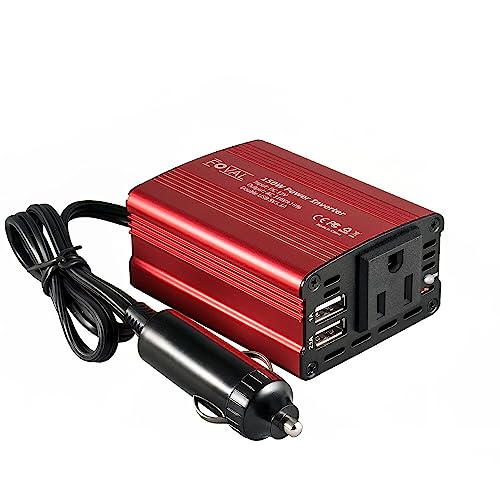
This compact 150W unit swaps 12V DC from your cigarette lighter to 110V AC, providing enough juice for laptops, tablets, and small electronics without taking over your car interior.
At just 8 ounces and credit-card dimensions, this FOVAL inverter practically disappears in a cupholder. One AC outlet and two USB ports cover the basics – laptop, camera, phone, tablet. The aluminum construction feels substantial without being clunky, and that cooling fan stays quiet until you really lean on it.
It’s the sort of thing you forget is there until you need it, which is exactly what you want.
I’d keep this in rotation for light-duty jobs: keeping a tablet alive for maps, charging phones on road trips, maybe running a small fan. The 150W limit means you’re not popping amps for much beyond electronics – no espresso machine here. The USB ports share 3.
1A total, so you can charge two phones at once or give a tablet its full current. Just manage expectations: it’s the emergency backup, not your primary power source.
|
4
|
CARSUN AC/DC Tire Inflator Portable Air Compressor, Dual Power for Home 110V AC and Car 12 |

This clever compressor pulls power from either your car’s 12V outlet or a standard household 110V wall socket, so you’re never stuck without inflation whether you’re at home or roadside.
The dual-power design means you can stash this at home plugged into the wall, then grab it for the car when you need it. The digital readout showing PSI is genuinely helpful – no guessing whether you’ve hit the right pressure.
It tames to an auto-shutoff at your preset, so you can set it and forget it. The included nozzles cover bikes, sports equipment, and car tires without hunting for adapters.
Five minutes from flat to 36 PSI on a typical sedan tire is respectable, and the memory function remembers your usual setting for the next time.
My read is this is the kind of tool that looks oddly valuable until you actually need it, then you’re glad you didn’t have to call roadside assistance. The cooling period after 15 minutes of use is worth respecting – those electric motors work hard.
It won’t handle truck or large-vehicle tires, but that’s a fair trade-off for portability.
|
5
|
1000W Power Inverter 12V DC to 110V/120V AC Car Converter for Vehicles | LCD Screen Displa |

This 1000W inverter delivers serious household power from your car battery, handling everything from laptops to small TVs for extended use during camping trips or emergencies.
When 150W feels cramped, this 1000W unit opens up real possibilities. The two AC outlets plus USB-C means you can keep a laptop, phone, and tablet all feeding at once.
The LCD display shows what’s happening under the hood – voltage levels, any issues – which is more useful than just a status light. The cooling system stays ahead of temperature, and the six safety protocols mean you’re not gambling with your car’s electrical system.
This is where I’d shortlist it for anyone doing extended van life or needing to power a CPAP or small space heater. The 2000W surge handles startup spikes from motors and compressors without tripping.
Just be aware that running this hard will drain a standard car battery in a few hours – hook up to the engine periodically or consider a dedicated auxiliary battery. The surge protection is genuine, not just marketing speak on the spec sheet.
|
6
|
5V 2A AC/DC Adapter Charger for Car Jump Starter 4000A Peak Battery, USB Type-C Cord with |

This 5V 2A adapter converts household AC to the exact 5V DC that modern jump starters need via USB-C, serving as a convenient replacement for original chargers.
The jump starter market has you covered with proprietary chargers, but sometimes you just need to replace one you lost or cracked. This adapter’s 15W output at 5V/3A covers most modern units, and the USB-C connector is standard enough that it’s easy to find.
The build quality feels like it belongs with the devices it’s charging, not some cheap knockaround.
If you maintain a jump starter as part of your vehicle emergency kit, having this as a reliable wall-charger means you never have to worry about a dead source being dead itself.
It won’t charge your actual car battery – only the stored jump starter pack – but that’s the point. Indoor use, keep it ventilated, and it’ll happily sit plugged in when not needed.
I’d verify the amperage rating matches your specific jump starter model before committing to a long charge cycle.
|
7
|
500W Power Inverter 12V DC to 110V/120V AC Car Converter for Vehicles | LCD Screen Display |

This 500W inverter converts 12V DC to 110V AC, featuring an LCD screen for monitoring power conversion status.
The 500W Power Inverter converts 12V DC to 110V/120V AC. It offers 500W continuous power for electronics. Two AC outlets and USB ports allow multi-device charging. An LCD screen shows real-time voltage data. Protection indicators warn of overload or overheating. Intelligent fans adjust speed based on temperature.
It suits road trips and mobile offices. The unit powers laptops and game consoles safely. Multiple safety features prevent electrical hazards.
Great for moderate power needs, this inverter balances size and output. The display helps troubleshoot issues quickly. USB ports charge phones and tablets efficiently. However, avoid exceeding the 500W limit. High-draw appliances will trigger shutdowns. Use it with the car engine on for stability. Ensure vents remain clear of debris.
It is durable for frequent travel use. Check device wattage before plugging them in.
|
8
|
MOVFFGGRM 500W Peak 1000W Power Inverter for Vehicles,DC 12V to 110V AC,4 x 2.4A USB Ports |
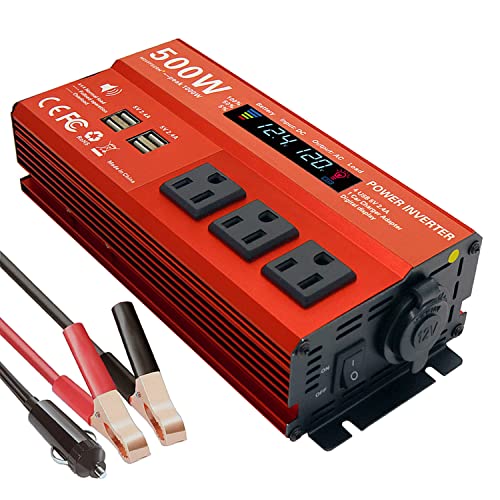
This 500W inverter converts 12V DC to 110V AC, offering four USB ports and direct battery clips for higher loads.
The MOVFFGGRM 500W Power Inverter converts 12V DC to 110V AC. It features three AC outlets and four USB ports. A cigarette lighter port adds extra versatility. The aluminum body dissipates heat effectively. Silent fans keep operation quiet. Direct battery clips support loads over 150W.
This bypasses cigarette lighter fuse limits. Efficiency exceeds ninety percent during conversion. It powers string lights and laptops well.
Ideal for users needing many USB ports, this unit offers convenience. The direct clip option ensures stable high-power delivery. However, modified sine wave output may affect sensitive gear. Test audio equipment before relying on it. Secure clips tightly to battery terminals. Loose connections cause sparking and heat.
Keep the unit upright for best cooling. It is a multifunctional solution for varied devices.
|
9
|
ALITOVE AC to DC Converter 110V to 12V 10A 120W Power Supply Car Cigarette Lighter Adapter |
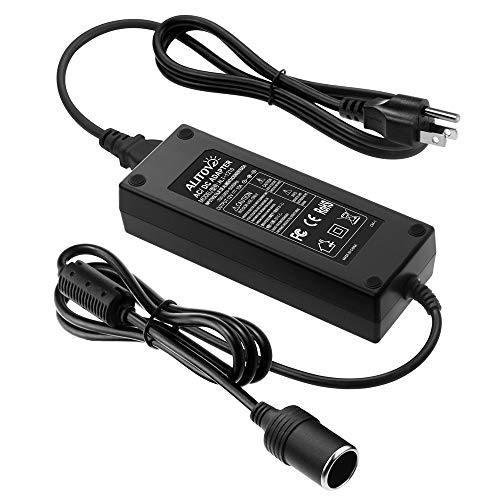
This adapter converts 110V AC wall power to 12V DC, allowing car accessories to run indoors without a vehicle.
The ALITOVE AC to DC Converter changes 110V AC to 12V DC. It supplies up to 10A or 120W of power. An 8-foot cord reaches distant outlets easily. Safety protections include overload and short-circuit cutoffs. It powers car vacuums and coolers indoors. The unit works with devices under 120W consistently.
Do not exceed the rated amperage. Quality control ensures reliable long-term operation. A twenty-four-month warranty backs the product.
Perfect for testing car accessories at home, this adapter is versatile. It runs dash cams and air purifiers safely. However, motors draw higher starting currents. Consider a 15A model for vacuums. Continuous high load shortens lifespan. Keep the adapter ventilated during use. Check device labels for amperage needs.
It eliminates the need for a running car. Store it safely when not in use.
|
10
|
1000W Power Inverter 12V DC to 110V/120V AC Car Converter for Vehicles | LCD Screen Displa |

This 1000W inverter converts 12V DC to 110V AC, providing robust power for camping and emergency backup situations.
The 1000W Power Inverter converts 12V DC to 110V/120V AC. It delivers 1000W continuous power with a 2000W surge. Two AC outlets and USB-C ports support diverse devices. An LCD screen monitors input and output voltage. Six safety protections guard against electrical faults. Temperature-controlled cooling ensures stable performance.
It suits camping and emergency backup needs. The unit handles TVs and routers effectively. Smart USB ports optimize charging speeds.
Reliable for off-grid power, this inverter supports essential electronics. The display aids in diagnosing power issues. USB-C fast charging benefits modern gadgets. However, prolonged use drains vehicle batteries. Run the engine to maintain charge levels. Ensure proper ventilation to prevent overheating. It is robust for outdoor adventures.
Verify total wattage before connecting multiple appliances. This unit provides peace of mind during outages.
The right inverter or charger depends on what you’re actually trying to power. A 150W unit handles phones and tablets; 500W tackles small appliances; 1000W is for laptops and entertainment gear. Pure versus modified sine wave matters only if you’re running sensitive audio or medical equipment.
These tools are only as safe as their weakest connection, so wire them properly and respect your battery’s limits.
Safe Wiring Practices for Inverters
Recommended Products


How you connect these devices matters as much as what they do. Poor wiring choices create heat, voltage drop, and potential fire hazards – not the experience you’re after. Here’s how to wire these safely.
- Use thick gauge wires for high wattage inverters to reduce resistance.
- Install fuses close to the battery terminal to prevent short circuits.
- Keep inverter vents clear of debris to ensure proper airflow.
- Check terminal tightness regularly to avoid sparking and heat buildup.
- Never exceed the inverter’s continuous wattage rating during operation.
I’ve seen too many DIY wiring jobs that look fine until something overheats. Match your wire gauge to the current your inverter will pull – a 1000W unit at 12V needs at least 4-gauge wire, preferably 2-gauge for long runs.
Fuse placement matters: put it within 18 inches of the battery terminal, not hanging somewhere in the engine bay. Any wire touching something hot or sharp needs conduit protection.
Check those connections every few months – corrosion builds up and resistance goes up, which means your inverter works harder for less output. Grounding isn’t always required but follows manufacturer guidance when it is.
Those cigarette lighter sockets have their own wiring limitations built in, which is why some high-draw units come with direct battery clamps.
Maintaining Battery Health During Use
Your car battery wasn’t designed to be deeply discharged nightly. Learning to use inverters without shortening battery life makes the difference between a reliable tool and a roadside problem.
Start the car engine before using high-wattage inverters to replenish charge.
Monitor voltage levels closely to prevent deep discharge of the battery.
Limit inverter use to thirty minutes when the engine is turned off.
Turn off unnecessary vehicle electronics to reduce overall electrical load.
Recharge the battery fully after extended inverter usage sessions.
Standard lead-acid batteries in cars aren’t happy with consistent deep drains – each deep cycle takes years off their life. A 1000W inverter can pull 80-100 amps continuously, which is a lot for a starting battery.
That’s why I’d look for a low-voltage cutoff feature or stick to smaller loads when the engine’s off. Even then, a good battery will last longer if you run the engine every couple of hours of heavy use. Lithium aftermarket batteries handle deep cycling better, but they cost more upfront.
Keep terminals clean with a wire brush – corrosion makes everything work harder. Regular voltage checks with a multimeter tell you if your battery’s starting to weaken before you’re stranded. Temperature matters: batteries are happiest between 60-80°F. Parking in shade helps in summer, but you can’t control winter conditions.
The goal is minimizing stress cycles, not eliminating them entirely.
Your car battery lives in the DC world – it doesn’t swap to AC like a house does. An inverter is the necessary middleman for using household gear safely.
Pick wattage that matches what you’ll actually run, wire connections properly with appropriate fuses, and run the engine when you’re pulling real power. Check device labels to avoid surprises. This setup lets you keep electronics alive without scrambling for wall power.

- 10 Best Battery For Generator Ev Battery Bank Marine 2026 - October 27, 2026
- 10 Best Battery For Generator Ev Battery Bank Lto 2026 - October 27, 2026
- 10 Best Battery For Generator Ev Battery Bank Low Voltage 2026 - October 27, 2026