What Does Ah Stand For Battery?
If you’ve ever stared at a battery label and wondered what ‘Ah’ actually means, you aren’t alone. It shows up on everything from cordless drills to electric dirt bikes, but the shorthand rarely comes with an explanation.
I wrote this piece to clear that up, breaking down ampere-hours in plain language and pointing to real products where that spec makes a noticeable difference.
The Meaning Behind Battery Ah Ratings
Recommended Products


Ah stands for ampere-hours, which is just a way of measuring how long a battery can push out a specific amount of current before it dies. A 1Ah battery gives you 1 amp for an hour; a 4Ah battery stretches that same amp across four hours.
Here’s why that number matters when you’re trying to figure out runtime.
Think of ampere-hours as the size of a water tank rather than the pressure coming out of the hose. A higher Ah rating simply means more stored energy. That’s why a 24Ah e-bike battery keeps you riding much longer than a 4Ah drill battery keeps you drilling.
But Ah doesn’t tell the whole story on its own, you have to look at voltage too, because multiplying the two gives you watt-hours (Wh), which is the actual total energy sitting inside the pack.
For instance, a 48V 24Ah battery holds about 1,152Wh, while a massive 12V 300Ah setup stores 3,600Wh. Manufacturers lean on Ah because it makes comparing runtimes under similar loads a lot easier.
| Battery Type | Typical Ah Range | Common Use Case |
|---|---|---|
| Tool Battery | 1.5Ah – 5.0Ah | Cordless drills, saws |
| E-Bike Battery | 10Ah – 30Ah | Electric bicycles, scooters |
| Deep Cycle | 50Ah – 300Ah | RVs, solar systems |
| UPS Battery | 7Ah – 20Ah | Uninterruptible power supplies |
Why Ah Matters More Than Voltage
Recommended Products


Voltage dictates how hard a battery can hit, but Ah determines how long it can keep swinging. A high-voltage pack with low Ah might power a heavy tool for a few minutes, whereas a lower-voltage battery with high Ah could run a lighter load all afternoon.
Same Voltage, Different Ah
Two batteries can both be 12V and still behave completely differently. A 12V 8Ah battery will run a 1-amp device for eight hours, but bump that up to a 12V 35Ah battery and you get 35 hours under the exact same load.
My read is that this is exactly why mobility scooters rely on those higher Ah ratings, they need sustained energy for getting around town, not just a quick burst to start an engine.
High Ah in Compact Devices
Lithium chemistry has changed the math here. You can now get a 4. 0Ah 18V tool battery that weighs a fraction of what a lead-acid battery with the same Ah rating would weigh.
That weight savings is the reason modern cordless tools can finally match plugged-in models without turning your arm into dead weight by the end of the day.
- Higher Ah means longer runtime, not more power
- Ah and voltage together determine total energy (Wh)
- Lead-acid batteries have lower Ah density than lithium
- Deep-cycle batteries prioritize Ah over peak current
- Ah ratings degrade over time with use
Batteries That Demonstrate Ah in Action
Recommended Products

I pulled these products together because they show how Ah ratings play out in the real world. We’re looking at everything from a 300Ah lithium powerhouse to a small programmable meter that tracks your usage.
Scanning through these specs should make it obvious why ampere-hours matter for whatever you’re trying to power.
|
1
|
Renogy 300Ah LiFePO4 Lithium Battery, 12V Mini Size Deep Cycle Battery | 200A BMS, Deep Cy |
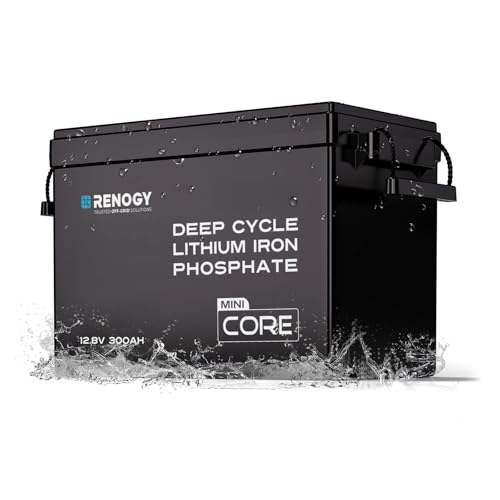
That 300Ah rating translates to a massive energy reserve, making it a realistic option for off-grid setups.
The Renogy 300Ah LiFePO4 battery stuffs 3,840Wh of capacity into a surprisingly compact 55. 1-pound shell. When I see an Ah rating this high, I immediately think of RVs or solar cabins where you need consistent power for days without plugging in.
The built-in 200A BMS handles cell balancing and cuts off charging if temperatures drop below 32°F, which protects those Grade-A prismatic cells through their claimed 5,000-plus cycles.
If you’re building out an off-grid system, this supports up to 4S4P configurations, so you can scale it up. The lightweight design is a huge upgrade over stacking lead-acid batteries to get the same capacity.
Just keep in mind that you’ll need a compatible inverter to actually use all that stored energy, and the premium price reflects the high-end components inside.
|
2
|
Programmable Digital AH Meter. Ideal for Battery Monitoring |

This AH meter literally measures ampere-hours, letting you watch your battery drain in real time.
If you want to stop guessing how much capacity you have left, this programmable digital AH meter does the tracking for you. It reads voltage, current, and ampere-hours, and lets you set alarms for upper and lower limits.
Because it works with external DC shunts up to 9999A, it scales from small DIY projects to large battery banks without breaking a sweat.
My read is that this is best suited for hobbyists or off-grid tinkerers who want to prevent accidental over-discharging. Its low power consumption means it won’t quietly drain the very system it’s monitoring.
The catch is calibration, if you aren’t comfortable setting that up initially, the readings might frustrate you at first.
|
3
|
Mighty Max Battery 12V 8Ah UPS Battery Replaces 7Ah 28W BB Battery SH1228W |

An 8Ah SLA battery like this hits the sweet spot between physical size and backup reliability.
The Mighty Max 12V 8Ah UPS battery is a sealed lead-acid workhorse meant specifically for uninterruptible power supplies. That 8Ah rating isn’t designed to run a cabin for a weekend; it’s meant to keep critical electronics alive during a short outage.
The spill-proof, maintenance-free build handles vibration well, and it operates across a wide temperature range.
I’d shortlist this for home or office UPS systems where cost matters more than cutting-edge chemistry. It mounts in any orientation, which helps in tight server closets.
While an 8Ah lead-acid battery won’t give you the lifespan of a lithium alternative, it gets the job done for light-duty backup needs without draining your wallet.
|
4
|
Interstate Batteries 12V 35Ah SLA AGM Deep Cycle Battery Insert Terminal |

A 35Ah AGM battery provides the deep-cycle endurance required to keep mobility devices moving.
Interstate’s 12V 35Ah AGM battery targets electric wheelchairs and scooters, where deep-cycle performance is non-negotiable. That 35Ah capacity ensures you aren’t stranded halfway through a trip. The valve-regulated, maintenance-free design prevents spills, and it fits standard Group U1 sizing with insert terminals for a secure hookup.
When someone asks me about reliable mobility batteries, Interstate usually comes up because they handle frequent discharging and recharging better than cheaper alternatives. It is heavier than a comparable lithium pack, but the 12-month warranty and rigorous testing offer peace of mind.
Just note that it’s explicitly not meant for golf carts or sudden high-drain spikes.
|
5
|
BLACK + DECKER BL4018-XJ 4.0 Ah Lithium Ion Battery, 18 V |

A 4.0Ah lithium-ion pack extends the working window for 18V cordless tools before you need the charger.
BLACK+DECKER’s 4. 0Ah 18V battery is engineered to keep their cordless lineup running longer between charges. Because it uses lithium-ion chemistry, you don’t have to worry about the memory effect eating away at your capacity over time. If you’re doing heavy cutting or grinding, that 4.
0Ah buffer makes a noticeable difference compared to smaller packs.
I would check compatibility with your existing 18V ONE+ tools before buying, but if you’re already in the ecosystem, this balances weight and runtime nicely. It might still struggle if you’re pushing high-drain tools continuously for hours, but for typical workshop tasks, it holds up.
Note that the charger is sold separately, so factor that in if you’re starting fresh.
|
6
|
Electric Dirt Bike for Teens Adults, 50 Miles Long Range, 4000W Peak Motor | Up to 40 MPH, |

The 24Ah battery is the reason this electric dirt bike can claim a 50-mile range.
This electric dirt bike pairs a 48V 24Ah removable lithium battery with a 4000W peak motor, generating 230Nm of torque for serious off-road riding.
That 24Ah capacity is what pushes the range up to 50 miles per charge, though your actual mileage will depend heavily on terrain, rider weight, and how aggressively you twist the throttle.
I appreciate that the battery unlocks from under the seat so you can charge it indoors without dragging the whole bike inside.
Safety-wise, it carries ANSI/CAN/UL 2272 and 2271 certifications from TÜV Rheinland, plus hydraulic disc brakes and proper suspension to handle dirt trails. The 24Ah pack is generous for recreational riding, but always verify local regulations regarding top speeds and age requirements before buying one for a younger rider.
|
7
|
18-Volt ONE+ Cordless Hybrid Floor Dryer Fan 4.0 Ah LITHIUM+ Battery & Charger |

A 4.0Ah LITHIUM+ battery demonstrates how Ah ratings apply to niche tools like floor dryers.
Ryobi’s 18V ONE+ 4.0Ah battery powers a massive ecosystem of over 125 tools, including hybrid fans and floor dryers. That 4.0Ah rating gives you enough runtime to dry out a garage or workshop without constantly swapping packs. The included compact charger helps minimize downtime between tasks.
If you already own Ryobi tools, my read is that adding another 4. 0Ah battery is a no-brainer for shared power.
The dryer fan also plugs into AC power, which is smart, the battery alone might not last through an extended water damage cleanup, but having the dual option keeps you working. It’s less about raw power here and more about sustained, moderate-draw runtime.
|
8
|
Electric Dirt Bike for Teens Adults, 50 Miles Long Range, 4000W Peak Motor | Up to 40 MPH, |

Seeing the same 24Ah spec repeated across e-bikes proves it’s becoming a standard for this vehicle class.
This listing features another 48V 24Ah removable lithium battery powering a nearly identical electric dirt bike platform. It delivers the same 50-mile range and 40MPH top speed, backed by the same safety certifications and 4000W peak motor.
The fact that 24Ah keeps showing up tells me manufacturers have found the sweet spot for balancing weight, cost, and range in this category.
This particular model leans heavily into marketing itself as a gift for teens and young adults exploring the outdoors. The 24Ah capacity remains the core selling point for keeping those rides going. As always, duplicate specs across listings mean you should double-check the seller’s warranty and return policy before committing.
|
9
|
Ryobi ONE+ HP User Guide: Setup, Battery Compatibility, and Real-World Performance Tips fo |

Ryobi’s user guide explains how Ah ratings interact with their specific tool lineup.
Rather than a physical battery, the Ryobi ONE+ HP User Guide breaks down how Ah ratings actually affect your tools. It covers setup, compatibility, and tips for maximizing runtime based on the battery you choose. If you’ve ever wondered why a 4.
0Ah battery dies faster in a circular saw than in a work light, this documentation connects those dots.
I’d recommend this for anyone new to the Ryobi ecosystem trying to figure out which Ah rating matches their workload. It won’t replace hands-on experience, but it offers practical advice for pairing batteries with specific tasks.
Since it’s a digital resource, it’s easy to reference in the shop, though it assumes you already know basic tool terminology.
|
10
|
Illuminated Christian Scripture Keepsake Ornaments (#C) | Acrylic Xmas Tree Decor with Ran |

Even small decorative items rely on internal batteries where Ah dictates how long the lights stay on.
This illuminated Christian ornament uses a built-in battery to power its LED lights, meaning its tiny internal Ah rating determines how many evenings you get before swapping cells. The acrylic ball houses a nativity or angel scene, glowing warmly without needing to be tethered to a wall outlet.
It’s a simple application, but it still relies on the same ampere-hour principles as larger electronics.
You aren’t buying this for high-capacity performance, it’s strictly for holiday ambiance. The internal battery’s Ah rating is modest, designed just to last through seasonal display periods.
Buyers receive a random A-H design variation, which adds a slight element of surprise, though the focus here is entirely on the aesthetic rather than the electrical specs.
Looking at these products side-by-side makes the Ah concept click. Whether you’re wiring a 300Ah lithium bank for a cabin or sliding a 4.0Ah pack into a drill, the ampere-hour rating is your baseline for predicting how long the power will last before you need a recharge.
How to Match Ah Ratings to Your Needs
Figuring out the right Ah rating comes down to what you’re asking the battery to do. High-drain power tools need a moderate Ah paired with a fast discharge rate, while off-grid solar setups demand massive Ah reserves to get through the night. Here’s how I approach that decision.
Identify your device’s voltage and current draw requirements
Calculate total watt-hours needed for your desired runtime
Compare battery Ah ratings within your voltage range
Account for weight and size constraints in your setup
Check compatibility with your existing charger or system
A 1Ah battery is fine for a flashlight you only use to find the breaker box, but if you’re running an RV fridge overnight, you’re looking at a 100Ah minimum. Lithium chemistry wins here because it packs more Ah into less weight compared to lead-acid.
One thing I always check: make sure the battery’s continuous discharge rate can actually handle your device’s peak demand. If a tool pulls 10A continuously, using a battery rated below that threshold will either trigger a shutdown or shorten the battery’s life significantly.
Maintaining Batteries to Preserve Ah Capacity
Ah ratings aren’t static, they shrink as the battery ages and cycles. How you treat the pack determines how fast that capacity fades. These habits help preserve your effective Ah over time.
- Avoid deep discharges; recharge before dropping below 20%
- Store batteries at 50% charge in cool, dry environments
- Use a compatible charger to prevent overcharging
- Clean terminals regularly to ensure strong connections
- Cycle lithium batteries occasionally to maintain health
- Replace lead-acid batteries every 3-5 years as Ah fades
Lithium-Ion and LiFePO4
Lithium batteries degrade faster when pushed to temperature extremes. I would avoid charging them below 32°F or drawing power below -4°F unless the manufacturer explicitly allows it. A good Battery Management System (BMS) keeps the cells balanced, which directly preserves your usable Ah over the years.
Most quality lithium packs hold onto about 80% of their original Ah rating after 500 to 1,000 full cycles.
Lead-Acid and AGM
Lead-acid batteries suffer from sulfation if left discharged, which permanently eats into their Ah capacity. Periodic equalization charges help, and AGM versions are slightly more forgiving than flooded cells.
Heat is the bigger enemy here, storing lead-acid batteries in a cool, temperature-controlled space slows down the chemical degradation that shrinks your available ampere-hours.
Common Misconceptions About Ah Ratings
It’s tempting to assume that a higher Ah number automatically means a better battery, but that ignores how voltage, discharge rates, and chemistry work together.
| Myth | Reality |
|---|---|
| Higher Ah means more power | Ah measures capacity, not power output (watts) |
| Ah ratings are permanent | They degrade with age and use |
| All 12V batteries with the same Ah are equal | Chemistry and quality affect performance |
| More Ah always means longer runtime | Depends on the device’s current draw |
| Ah and mAh are different | 1Ah = 1000mAh; same unit, different scale |
Ah is only half the equation. Voltage sets the potential power, while the C-rating (discharge rate) tells you how fast the battery can safely empty its tank. A 5Ah battery with a 1C rating can only deliver 5 amps continuously.
Take that same 5Ah capacity but with a 10C rating, and it can push 50 amps. For things like electric vehicles or heavy saws, that C-rating is just as critical as the Ah.
Similarly, a battery with a massive Ah rating but very low voltage might lack the punch needed to start a motor, even if it technically holds plenty of total energy.
At its core, Ah (ampere-hours) is just a measure of how much current a battery can sustain over time. To put this to use, look at what your device actually requires in terms of voltage and current draw, then pick an Ah rating that covers your expected runtime.
A quick exercise I suggest: compare the Ah and Wh labels on the batteries you already own around the house. Once you see how those numbers translate to your daily use, reading battery specs stops feeling like guesswork.

- 10 Best Battery For Generator Ev Battery Bank Marine 2026 - October 27, 2026
- 10 Best Battery For Generator Ev Battery Bank Lto 2026 - October 27, 2026
- 10 Best Battery For Generator Ev Battery Bank Low Voltage 2026 - October 27, 2026