What Is Ah In Batteries?
When you see a label marked 12V 8Ah, that ‘Ah’ isn’t just technical jargon; it’s the key to knowing how long your gear will actually stay powered. It stands for amp-hour, which is essentially the size of your battery’s fuel tank.
While voltage determines if the battery is strong enough to turn the motor, the amp-hour rating dictates how long that motor keeps spinning.
Below, I break down what these numbers really mean, how to read them, and look at a few products that show these capacity differences in the real world.
What Amp-Hours Actually Measure In A Battery
Recommended Products


Before you start shopping, it’s helpful to distinguish between raw power and total capacity. Think of it like a car: voltage is the speed the engine can reach, but amp-hours represent the size of the gas tank.
An amp-hour is simply a measure of electrical charge. If a battery is rated at 8Ah, it is designed to output 8 amps for one hour, 4 amps for two hours, or 1 amp for eight hours.
This is a linear relationship, which makes it much easier to estimate your runtime. If you are comparing a 35Ah battery to an 8Ah version, the 35Ah option will keep your device running significantly longer. Voltage sets the pressure, but amp-hours define the endurance.
How Amp-Hours Translate Into Real Runtime
| Battery Rating | Device Draw | Approximate Runtime |
|---|---|---|
| 8Ah | 0.5 amps | About 16 hours |
| 8Ah | 2 amps | About 4 hours |
| 35Ah | 1 amp | About 35 hours |
| 35Ah | 5 amps | About 7 hours |
| 300Ah | 10 amps | About 30 hours |
| 300Ah | 100 amps | About 3 hours |
- Divide the amp-hour rating by your device’s amp draw to estimate runtime hours.
- Higher Ah at the same voltage means longer runtime, not more power.
- Amp-hours and voltage together determine total energy in watt-hours.
- Manufacturer Ah ratings usually assume a slow, gentle discharge rate.
- Heavy loads drain a battery faster than the simple math predicts.
Why The Same Ah Rating Behaves Differently Across Batteries
Recommended Products


Even if two batteries share the same 12V 35Ah rating, they can behave quite differently depending on their chemistry and your usage patterns. Understanding these nuances helps manage expectations when the runtime doesn’t perfectly match the label.
Lead-Acid And AGM Batteries
Lead-acid and AGM batteries are reliable, cost-effective staples. They are usually rated based on a 20-hour discharge, meaning the capacity is measured by draining them slowly over nearly a full day. If you demand power from them too quickly, that effective capacity drops.
Additionally, these batteries generally shouldn’t be drained below the 50 percent mark, so you are often working with only half of the listed capacity in practice.
Lithium And LiFePO4 Batteries
Lithium iron phosphate (LiFePO4) batteries handle capacity differently. You can safely drain these much deeper, often 80 to 90 percent, without damaging the cells. This means a 100Ah lithium battery often provides much more usable energy than a 100Ah lead-acid battery.
While the entry price is higher, you get steadier voltage output until the very end and a much longer cycle life.
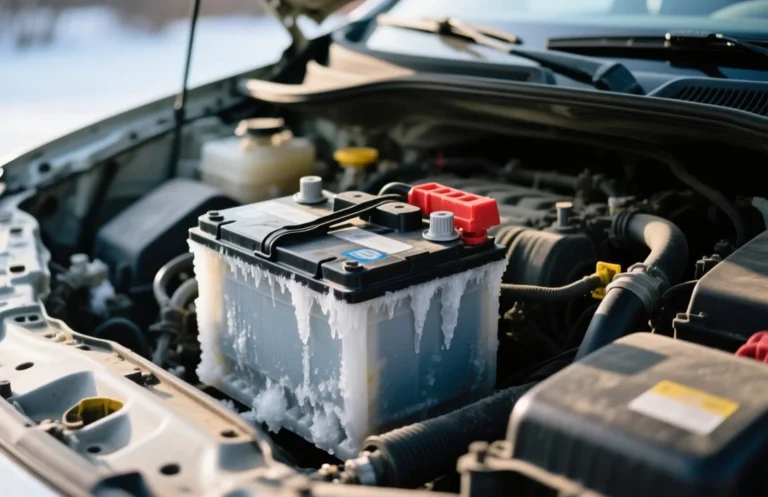
Temperature is the silent variable that nobody puts on the label. Cold weather slows the chemical reactions inside every battery, which reduces the amp-hours you can actually pull out. A battery rated at 35Ah might only deliver 25Ah on a freezing morning.
Extreme heat speeds reactions up in the short term but shortens overall lifespan. Discharge rate matters just as much. The amp-hour rating is usually measured at a gentle, steady draw. If your device pulls a large surge of current, the battery heats up internally and loses efficiency.
This is why a battery that powers a small fan for thirty hours might only run a power tool for forty minutes. The label is a guideline measured under ideal conditions, not a promise.
Batteries That Show Amp-Hours In Action
Recommended Products


To see how these numbers play out, I’ve pulled together ten examples ranging from small UPS backups to heavy-duty off-grid units. Each illustrates how that Ah rating influences real-world performance.
|
1
|
Renogy 300Ah LiFePO4 Lithium Battery, 12V Mini Size Deep Cycle Battery | 200A BMS, Deep Cy |
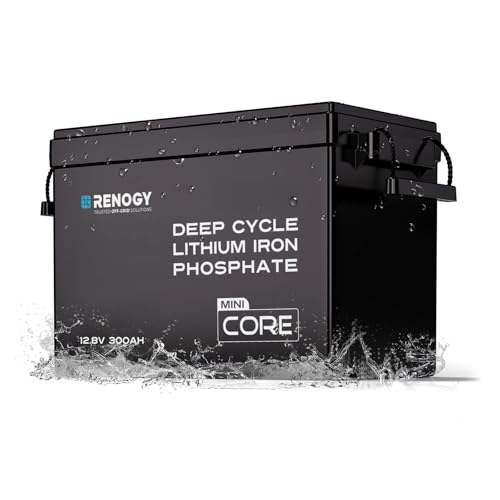
This 300Ah unit is a perfect example of high-capacity storage for off-grid needs.
The Renogy 300Ah LiFePO4 battery is a compact, high-capacity solution that packs about 3840 watt-hours into a 55. 1-pound frame. It is roughly 57 percent lighter than a lead-acid alternative, which is a massive difference if you are trying to save space in an RV or boat.
The onboard 200A BMS handles the heavy lifting of safety, protecting against shorts and over-discharging. With a rating of over 5,000 cycles at 80 percent depth of discharge, this is built for long-term reliability.
This is a strong choice for those who need reliable, long-term power without the weight of traditional banks. Because it includes a low-temperature cutoff, you’ll want to ensure it’s kept in a climate-controlled area if you live in colder regions.
While the upfront investment is higher than lead-acid, the depth of discharge and total cycle life make it a more efficient use of your budget over the long run.
|
2
|
Programmable Digital AH Meter. Ideal for Battery Monitoring |

This meter turns the abstract concept of amp-hours into a live, measurable metric.
The Programmable Digital AH Meter is essentially a dashboard for your battery. It tracks voltage, current, and total amp-hours consumed, letting you see exactly how much ‘fuel’ you have left in the tank.
It’s compatible with external shunts up to 9999 amps, making it versatile enough for everything from small camping setups to serious off-grid arrays. It also includes alarm thresholds to warn you if you are pushing your battery too hard.
This is a great tool for anyone who wants to stop guessing their battery state. It does require some technical comfort, as you’ll need to wire in a shunt and configure the settings, but it��s a one-time setup.
Once it’s running, you aren’t just relying on a sticker on the battery case; you are seeing the real-time capacity drain.
|
3
|
Mighty Max Battery 12V 8Ah UPS Battery Replaces 7Ah 28W BB Battery SH1228W |

An 8Ah battery is a classic example of a standby power source for smaller electronics.
The Mighty Max 12V 8Ah SLA battery is a straightforward, maintenance-free option designed for short-term backup needs. Its 8Ah capacity is well-suited for keeping an alarm panel or a small UPS active during a brief power flicker.
It’s built to be spill-proof and can be mounted in various orientations, which is useful when fitting it into tight equipment enclosures.
This is a ‘set it and forget it’ component for light, intermittent duty. Since it’s a sealed lead-acid battery, it isn’t designed to be drained and recharged daily; it’s meant for standby use.
Keep in mind that this is just the battery, you won’t find mounting hardware or wires in the box, but it’s a reliable replacement for standard 7Ah or 8Ah UPS packs.
|
4
|
Interstate Batteries 12V 35Ah SLA AGM Deep Cycle Battery Insert Terminal |

This 35Ah battery shows how mid-range capacity supports mobility and deep-cycle needs.
The Interstate Batteries 12V 35Ah SLA AGM battery is a workhorse for mobility devices like electric wheelchairs and scooters. With a 35Ah rating, it provides enough energy for a full day of typical use.
The AGM (Absorbent Glass Mat) design makes it spill-proof and maintenance-free, which is a significant practical upgrade over older flooded lead-acid batteries.
If you are replacing the power source for a mobility scooter, this is a standard, dependable pick. It’s built to handle deeper discharge cycles than a basic starting battery, though you should still try to avoid dropping below 50 percent capacity to ensure the battery lasts as long as possible.
Just be sure to check the compatibility guide to ensure it fits your specific device.
|
5
|
BLACK + DECKER BL4018-XJ 4.0 Ah Lithium Ion Battery, 18 V |

The 4.0Ah rating here demonstrates how lithium capacity affects tool runtime.
The BLACK + DECKER BL4018-XJ 4. 0 Ah battery is an 18-volt pack designed for those who need their tools to run longer between charges. The 4. 0Ah capacity effectively doubles the runtime compared to a 2. 0Ah pack, which is a game-changer if you’re doing heavy grinding or cutting.
Because it’s a lithium-ion pack, it resists the ‘memory effect’ and keeps its charge well while sitting on a shelf.
This is a logical upgrade for anyone already invested in the BLACK+DECKER 18V cordless ecosystem. If you find yourself constantly swapping batteries in the middle of a project, moving to the 4. 0Ah version will definitely reduce that frustration.
It is specific to the brand’s 18V system, so verify your tool compatibility before purchasing.
|
6
|
Electric Dirt Bike for Teens Adults, 50 Miles Long Range, 4000W Peak Motor | Up to 40 MPH, |

A 24Ah pack provides a clear look at how capacity translates to physical distance.
This electric dirt bike features a 48V 24Ah removable lithium battery, which is the heart of its 50-mile range. The 24Ah rating is the primary factor determining how far you can ride before needing to recharge.
It’s designed to be easily unlocked and removed, which is a major convenience if you don’t want to drag the entire bike to an outlet.
This bike is built for off-road recreation, and the removable battery makes charging significantly easier. While 50 miles is the target range, remember that your actual distance will fluctuate based on your weight and the terrain.
It’s a fun, safety-certified ride, but always double-check local regulations regarding electric motorbikes before heading out.
|
7
|
18-Volt ONE+ Cordless Hybrid Floor Dryer Fan 4.0 Ah LITHIUM+ Battery & Charger |

The 4.0Ah battery included here shows how one pack powers multiple tool types.
The RYOBI 18-Volt ONE+ Cordless Hybrid Floor Dryer Fan comes with a 4. 0Ah battery, showcasing how a single pack can be swapped between many different devices. The 4. 0Ah rating dictates the runtime for the fan when you’re using it in cordless mode.
Since it’s a hybrid, you can also plug it into a standard outlet, giving you a safety net if you run out of battery power.
This is a very practical addition to any workshop or garage. If you already own other RYOBI ONE+ tools, the battery adds great value since you can share it across your collection. Just keep in mind that running the fan on high will drain that 4.
0Ah capacity much faster than on a lower setting.
|
8
|
Electric Dirt Bike for Teens Adults, 50 Miles Long Range, 4000W Peak Motor | Up to 40 MPH, |

Another 48V 24Ah example that reinforces the link between capacity and range.
Similar to its sibling, this electric dirt bike uses a 48V 24Ah lithium battery to hit that 50-mile range mark. The 24Ah capacity is the engine of the bike’s endurance, providing enough energy for a substantial ride.
The removable design is a highlight, allowing you to charge the pack indoors while the bike stays in the garage.
It’s a capable machine for older kids and adults looking for trail time. The safety certifications, like ANSI/CAN/UL 2272, are a good sign of build quality.
As with any electric vehicle, your mileage will vary based on how hard you push the motor and the steepness of the trails you’re conquering.
|
9
|
Ryobi ONE+ HP User Guide: Setup, Battery Compatibility, and Real-World Performance Tips fo |

This guide helps clarify how different Ah ratings fit into a larger tool ecosystem.
The Ryobi ONE+ HP User Guide isn’t a battery, but it’s a useful reference for understanding how batteries and tools interact. It explains the relationship between amp-hour ratings and runtime, helping you decide which battery is right for which task.
If you’ve ever wondered why your drill feels different with a 1. 5Ah pack versus a 4. 0Ah pack, this provides the context.
This is most helpful for new RYOBI owners who are still getting used to the lineup. It won’t power your tools, but it will save you from making the mistake of buying the wrong battery for the wrong job. It’s a simple, educational resource for navigating their battery ecosystem.
|
10
|
Illuminated Christian Scripture Keepsake Ornaments (#C) | Acrylic Xmas Tree Decor with Ran |

This ornament uses a tiny battery, showing the other end of the Ah spectrum.
The Illuminated Christian Scripture Keepsake Ornament uses a small internal battery to power a warm LED light. While it doesn’t give you a specific Ah rating, it’s a perfect example of low-capacity, low-drain electronics.
It’s designed to be decorative and simple, requiring no external wires or plugs to set up on your tree or mantle.
This ornament suits anyone wanting a meaningful religious keepsake for the holiday season. It works well as a gift, a collectible, or a small centerpiece. The limitation is that the internal battery is tiny, so the glow will not last for weeks of continuous use.
You will need to replace or recharge it eventually, and the random style means you cannot pick which scene you get. It is decor, not a power solution, but it still illustrates how small amp-hour cells work.
From massive 300Ah storage banks that can power a cabin to tiny cells in a holiday ornament, the amp-hour rating is the universal language of battery capacity. The rule of thumb is consistent across every product: higher amp-hours mean more runtime at a given draw.
Once you start looking at the Ah number first, you’ll find it much easier to pick the right battery for your specific needs.
How To Pick The Right Amp-Hour Rating For Your Device
Recommended Products


Choosing a battery is a balancing act between capacity and cost. If you go too small, you’re tethered to a charger; if you go too large, you’re paying for capacity you’ll never use.
Find your device’s amp draw, usually listed in the manual or on a label.
Multiply that draw by the hours you need between charges to get required amp-hours.
Add a 20 to 30 percent buffer for efficiency losses and aging.
Confirm the battery voltage matches your device before buying anything.
Check the chemistry’s usable depth of discharge to avoid overestimating capacity.
Typical Amp-Hour Ranges By Application
| Application | Typical Ah Range | Chemistry Often Used |
|---|---|---|
| UPS backup | 7Ah to 9Ah | Sealed lead-acid |
| Wheelchair or scooter | 30Ah to 50Ah | AGM deep cycle |
| Cordless power tools | 2Ah to 6Ah | Lithium ion |
| RV house bank | 100Ah to 400Ah | LiFePO4 or AGM |
| Off-grid solar storage | 200Ah to 1200Ah | LiFePO4 |
The most common trap is focusing purely on voltage and ignoring the Ah rating. Remember that lead-acid batteries usually have a ‘usable’ capacity closer to 50 percent of their label, whereas lithium batteries allow you to use a much larger percentage.
Factoring in that usable capacity difference often makes lithium the smarter choice, even if the upfront cost looks higher at first glance.
Mistakes That Make Amp-Hours Disappoint In Real Use
A battery that performs perfectly in a lab might struggle in your garage. Environmental factors and usage habits often shrink your effective runtime, which can be frustrating if you aren’t expecting it.
- Store batteries in moderate temperatures, since cold cuts usable amp-hours significantly.
- Avoid draining lead-acid batteries below 50 percent to preserve cycle life.
- Match your charger to the battery chemistry to prevent chronic undercharging.
- Do not pull huge currents from a battery rated for gentle, steady discharge.
- Recharge promptly after use rather than leaving batteries sitting depleted.
Discharge rate is the biggest silent killer of runtime. If you drain a battery very quickly, it loses efficiency due to heat. That’s why a 35Ah battery might power a light for 35 hours, but might only run a motor for 20 hours. Cold temperatures further reduce that capacity.
None of this means the label is lying; it just means the rating was captured under ideal conditions that rarely exist in the real world.
Signs The Amp-Hours Are Gone
A battery that charges fully but drains in a fraction of its original runtime is telling you the usable amp-hours have shrunk permanently. This happens through sulfation in lead-acid batteries or cell degradation in lithium packs.
If a battery that once ran a device for eight hours now manages two, the chemistry has aged out. No charger will bring that capacity back. For lead-acid, equalizing charges sometimes help briefly, but the decline is usually irreversible.
Lithium packs tend to hold capacity longer but fail more suddenly when a cell goes bad.
Matching A Replacement Rating
When you do replace a battery, try to match or slightly exceed the original Ah rating. Going higher is generally safe and adds a buffer of extra runtime, provided the physical size matches your device.
Just don’t mix old and new batteries in the same bank, as the older, weaker one will inevitably drag down the performance of the entire system.
Ah stands for amp-hour, and it’s the most important number for managing your expectations. It doesn’t tell you how strong the battery is, just how long it can last.
My advice is to calculate your typical load in amps, multiply by the hours you need, and find a battery that meets that total capacity. Match your voltage, size your amp-hours for the runtime you actually want, and you’ll get the most out of your gear.

- 10 Best Battery For Generator Ev Battery Bank Marine 2026 - October 27, 2026
- 10 Best Battery For Generator Ev Battery Bank Lto 2026 - October 27, 2026
- 10 Best Battery For Generator Ev Battery Bank Low Voltage 2026 - October 27, 2026