What Do Lithium Batteries Look Like?
You’ve probably held a lithium battery without giving its look a second thought. Unlike the chunkier alkaline cells, lithium batteries show up in sleek, compact forms, some as familiar cylinders like AA batteries, others as flat, coin-like discs such as CR2032s. The catch?
Their size and shape can vary even when the voltage doesn’t, and a device manual might just say ‘lithium’ without clarifying which kind you need.
Below, we’ll walk through their physical traits and point out the most common types you’ll run into in gadgets, tools, and everyday electronics, so you’ll recognize them at a glance next time you’re hunting for a replacement.
Why Lithium Batteries Aren’t All the Same Size
Recommended Products


Lithium batteries don’t stick to a single mold. Their shape and size adapt to the devices they power, spanning from coin-sized cells for key fobs to cylindrical AA batteries for flashlights.
Unlike alkaline batteries, which follow predictable sizing like AA or AAA, lithium variants can differ even within the same voltage class (say, 1. 5V). This inconsistency often leads to confusion when swapping out old batteries, especially if a device only specifies ‘lithium’ without naming the exact form factor.
Getting familiar with these differences saves you the hassle of buying the wrong type.
Cylindrical (AA, AAA, 123, etc.)
These look nearly identical to alkaline AA batteries but are often a touch lighter and carry a model number like CR123A. You’ll find them in cameras, high-powered flashlights, and other high-drain devices. The real giveaway?
Lithium versions deliver steady voltage right up to the end, while alkaline batteries taper off as they drain. An AA lithium battery might share the same shape as its alkaline twin, but its label will always call out ‘lithium’ or ‘1. 5V lithium.
Coin Cells (CR2032, CR2016, etc.)
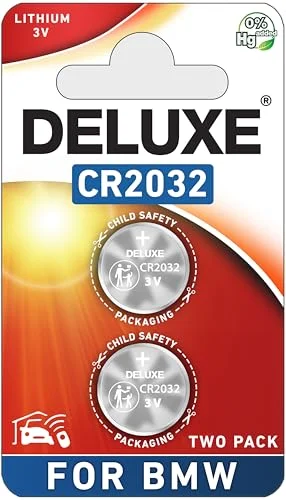
Flat, round, and typically metallic, these tiny powerhouses fuel small gadgets like car key fobs, watches, and AirTags. The ‘CR’ in their name stands for ‘coin cell,’ and the numbers that follow (e. g. , CR2032) indicate their dimensions, 20mm in diameter and 3. 2mm thick.
Their size makes them easy to overlook, but they’re built for low-power, long-life use. A CR2032, for example, might resemble a button battery but is specifically engineered for lithium chemistry.
Pouch Cells (Less Common in Consumer Devices)
These flat, rectangular batteries occasionally appear in electronics like laptops or power tools. Unlike their rigid cylindrical or coin-shaped cousins, pouch cells come in flexible, soft packaging to prevent damage.
They’re less common in everyday consumer products, but if you’re dealing with a device that requires a non-standard battery shape, it might very well be a pouch cell.
| Shape | Common Sizes | Typical Uses | Visual Clue |
|---|---|---|---|
| Cylindrical | AA, AAA, 123, 9V | Cameras, flashlights, remote controls | Slimmer than alkaline; often labeled with ‘lithium’ or voltage |
| Coin Cell | CR2032, CR2016, VCR2032 | Key fobs, AirTags, watches | Flat, round, metallic or silver finish |
| Pouch Cell | Custom sizes | Laptops, power tools | Flexible, rectangular, often sealed in packaging |
Lithium Batteries You’ll Spot Most Often
Recommended Products

If you’ve ever picked up a lithium battery, chances are it fell into one of these categories. The picks below highlight the most common shapes you’ll come across in stores, from the cylindrical AA batteries in your flashlight to the coin cells tucked inside your key fob.
Each serves a distinct purpose, and their appearance can be the quickest way to identify the right replacement.
|
1
|
Energizer Ultimate Lithium AA Batteries (8 Pack), 1.5V Lithium Double A Batteries |

The classic AA lithium battery: cylindrical, silver, and labeled ‘Ultimate Lithium’, identical in size to alkaline AA but designed for harsh conditions.
Energizer’s Ultimate Lithium AA batteries are easy to miss as anything other than standard AAs at first glance, same cylindrical shape, same silver finish, just a little lighter. The ‘1. 5V Lithium’ label is the detail that sets them apart.
These are the batteries you reach for when you need consistent power in demanding devices like digital cameras or outdoor gear.
Their leak-proof construction and ability to perform in extreme temperatures (from -40°F to 140°F) make them a standout, and you’ll often find them sold in packs of 2, 4, or 8.
You’ll spot these on shelves by their ‘Energizer’ branding and the ‘Ultimate Lithium’ text. They’re a smart pick for long-term storage (up to 25 years) or devices where reliability is non-negotiable, but the higher price point might give pause to those who only need occasional replacements.
The 8-pack is a practical choice if you’re frequently swapping out AA batteries across multiple gadgets, though the lack of a listed price makes direct comparisons tricky.
|
2
|
Energizer Ultimate Lithium AA Batteries (24 Pack), AA Lithium Batteries | Double A Batteri |

A bulk AA pack tailored for smart home use, look for the ‘24-pack’ label and mentions of Blink camera compatibility.
This 24-pack of Energizer Ultimate Lithium AA batteries shares the same cylindrical, silver design as the smaller packs, but the packaging is larger and more economical.
The shape and finish of the individual batteries are identical, but the box highlights use cases like ‘Blink outdoor cameras’ and ‘smart home devices,’ making it a clear pick for anyone stocking up for home security or other AA-powered systems. The ‘24-pack’ label is hard to miss.
The main draw here is quantity, ideal for households with multiple AA-powered devices. That said, without a price listed, you won’t know upfront if this offers better value than smaller packs.
These are best for users who want to minimize trips to the store, but the sheer number of batteries might go to waste if you don’t have enough devices to use them all.
|
3
|
Energizer Ultimate Lithium AA Batteries (4 Pack), 1.5V Lithium Double A Batteries |

A smaller AA pack with the same design, look for the ‘4-pack’ label if you’re an occasional user.
This 4-pack of Energizer Ultimate Lithium AA batteries looks just like its 8-pack and 24-pack siblings: cylindrical, silver, and clearly labeled ‘1. 5V Lithium. ’ The difference is in the packaging, which is smaller and more manageable for those who don’t need a large supply.
The ‘4-pack’ label is an easy way to identify this option if you’re comparing sizes in-store. Like the others, it’s leak-proof and built to handle extreme temperatures.
This pack size is perfect for travelers or anyone who replaces AA batteries only now and then, as it avoids unnecessary bulk. However, the lack of a price makes it tough to assess value compared to competitors.
If you’re unsure how often you’ll need replacements, this is a safer bet than the larger packs, but heavy users might find the 24-pack more practical.
|
4
|
Energizer Ultimate Lithium AA Batteries (2 Pack), 1.5V Lithium Double A Batteries |

The smallest Energizer AA pack, spot it by the ‘2-pack’ label and its minimalist design.
This 2-pack of Energizer Ultimate Lithium AA batteries keeps the same cylindrical, silver design as the larger packs, but the ‘2-pack’ label makes it the easiest to identify in-store when comparing sizes. It’s a great choice for testing lithium batteries in a single device before committing to a larger quantity.
The extreme-temperature performance and leak-proof guarantee remain consistent across all Energizer Ultimate Lithium AA offerings.
This pack is ideal for minimalists or those who want to try lithium batteries without overbuying. The small size means a higher per-unit cost, but it’s a low-risk way to experience the benefits.
If you’re uncertain whether lithium is the right fit for your devices, this pack lets you test the waters without stockpiling. That said, it’s not the most practical for frequent replacements.
|
5
|
EBL Lithium AA Batteries 12 Pack, Longest Lasting 3700mAh 1.5V Non-Rechargeable, Upgraded |

A high-capacity AA battery with a prominent ‘3700mAh’ label, look for the ‘Super III’ branding.
EBL’s AA lithium batteries stand out with their ‘Super III’ branding and the bold ‘3700mAh’ capacity claim on the packaging. Individually, they look like standard AA batteries but may feel slightly heavier due to the higher capacity. The ‘12-pack’ label makes them easy to spot if you’re comparing bulk options.
Marketed as ‘7X longer-lasting’ than alkaline batteries, they’re aimed at devices like Blink cameras or smart locks where battery life is critical.
These are a strong fit for high-drain devices where longevity is key, but the ‘Super III’ branding might come across as a bit gimmicky to some. Without a price listed, it’s hard to gauge value, but the emphasis on extended runtime could justify the cost for power-hungry gadgets.
If you’re using these in always-on security devices, the extra capacity is a clear advantage, but for low-drain devices, the difference may be negligible.
|
6
|
Duracell 2032 Lithium Battery, 4 Count, AirTag & Key Fob, CR2032 3V Cell |

A tiny, coin-shaped CR2032 battery with a child-safety coating, look for the ‘AirTag’ compatibility label.
Duracell’s CR2032 lithium batteries are unmistakable: flat, round, and marked with a ‘3V’ label. Unlike cylindrical AA batteries, these coin cells are often sold in small packs (like this 4-count) and are designed for low-power devices such as Apple AirTags, car key fobs, or fitness trackers.
The ‘child safety’ bitter-taste coating, applied to both sides, is another visual clue that sets them apart. The ‘AirTag & Key Fob’ compatibility label is a sure sign you’re looking at the right type.
These are the go-to choice for replacing batteries in small, essential devices where size is a factor. The bitter-taste coating adds a layer of safety, though it might not appeal to everyone.
If you’re replacing batteries in key fobs or wearables, this is a reliable pick, but the lack of a price makes it hard to compare against generic CR2032 options. For applications where reliability is paramount, Duracell’s reputation is a strong selling point.
|
7
|
Energizer 123 Lithium Batteries (6 Pack), 3V Photo Batteries | Ready for smart home device |

A cylindrical 123 battery with a ‘photo’ label, spot the ‘6-pack’ and ‘smart home devices’ text.
Energizer’s 123 lithium batteries are a bit bulkier than AA batteries, with a ‘photo’ label that signals their use in cameras and flashlights. The ‘6-pack’ packaging makes them easy to identify in-store, especially if you’re after replacements for high-drain devices.
Unlike AA batteries, these are labeled ‘3V’ and often have a slightly thicker build to handle continuous power demands. The ‘10-year shelf life’ claim is another detail you’ll see on the packaging.
These are a natural fit for photography buffs or anyone with 123-compatible devices like digital cameras or high-lumen flashlights. The ‘photo’ branding helps set them apart from AA batteries, but without a price, it’s hard to assess affordability.
If you’re using these in professional gear, the long shelf life is a major plus, but for casual use, the higher cost might not be worth it.
|
8
|
Energizer Ultimate Lithium AAA Batteries (8 Pack), Lithium Triple A Batteries |
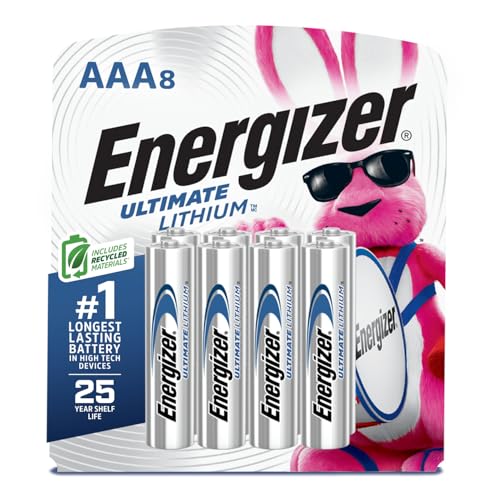
A sleek AAA lithium battery with ‘Triple A’ clearly marked, look for the ‘8-pack’ and ‘high-tech devices’ label.
Energizer’s Ultimate Lithium AAA batteries are smaller than their AA counterparts but share the same silver, cylindrical design. The ‘Triple A’ label is front and center, and the ‘8-pack’ packaging makes them easy to spot if you’re comparing sizes.
These are built for high-tech devices like wireless mice, gaming controllers, or small electronics where AAA is the required size. The ‘extreme temperatures’ claim on the packaging underscores their durability.
These are a solid choice for AAA-powered gadgets where alkaline batteries tend to drain quickly, but the lack of a price makes it tough to compare against competitors.
If you’re using these in devices like smart home sensors or remote controls, the long shelf life (up to 25 years) is a major perk. That said, for low-drain devices, the difference over alkaline may not justify the cost.
|
9
|
Enegitech AA Lithium Battery, 3000mAh 1.5V Double A Lithium Battery for Blink Camera, Door |
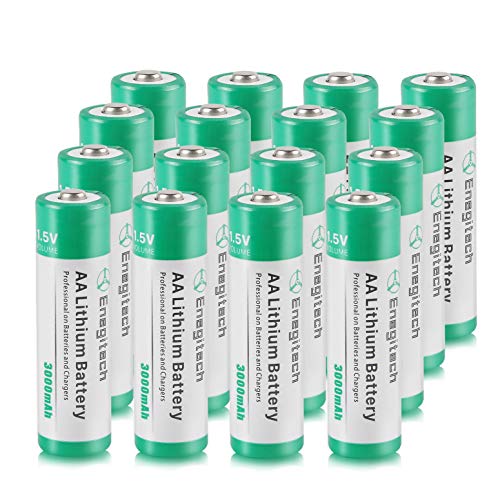
A high-capacity AA alternative with a ‘3000mAh’ label, look for the ‘16-pack’ and ‘Blink camera’ branding.
Enegitech’s AA lithium batteries share the same cylindrical shape as standard AAs but stand out with their ‘3000mAh’ capacity label and ‘16-pack’ packaging. The ‘Blink camera’ compatibility is a key visual cue, making them easy to identify if you’re stocking up for smart home security.
These are marketed as ‘leak-proof’ and built for extreme temperatures, much like Energizer’s offerings. The ‘10-year shelf life’ claim is another detail you’ll find on the packaging.
These are a great match for smart home users who need long-lasting power in devices like Blink cameras or doorbell sensors. The ‘3000mAh’ label suggests a higher capacity than standard lithium AAs, but without a price, it’s hard to judge the value.
If you’re using these in always-on security devices, the extra runtime is worth the investment, but for occasional use, the cost may not be justified.
|
10
|
Energizer Ultimate Lithium AA Batteries |

A no-frills AA pack with ‘Energizer Ultimate Lithium’, look for the minimalist design and lack of quantity labels.
This generic Energizer Ultimate Lithium AA pack doesn’t specify quantity, making it harder to spot in-store compared to the clearly labeled 2-pack, 4-pack, or 8-pack versions. The individual batteries are identical in appearance, cylindrical, silver, and marked ‘1. 5V Lithium.
’ The absence of a ‘pack size’ label suggests it might be sold as a standalone item or in smaller quantities. Like other Energizer lithium AAs, it’s leak-proof and built for extreme temperatures, but the lack of packaging details makes it less distinctive.
This is a good option for buyers who want the core Energizer lithium AA experience without committing to bulk. The minimalist packaging might appeal to those who prefer simplicity, but the lack of quantity or price information makes it harder to evaluate.
If you’re unsure about the pack size or need a single replacement, this could be a safe choice, but it’s not ideal for stocking up.
From the cylindrical AA batteries in your flashlight to the coin cells in your key fob, lithium batteries come in distinct shapes tailored to specific devices. The picks above cover the most common types you’ll find, each designed for different needs.
Whether you’re replacing batteries in high-drain gadgets or low-power accessories, knowing what to look for simplifies the process. Below, we’ll cover how to steer clear of common pitfalls when picking the right battery.
How to Tell a Lithium Battery From Alkaline
Lithium and alkaline batteries may share sizes like AA or AAA, but their labels and performance tell different stories. Lithium batteries often feature ��lithium,’ ‘1. 5V,’ or ‘leak-proof’ text, while alkaline batteries lack these specifics. Weight can also offer a clue, lithium batteries are lighter but denser.
Mixing them up can lead to poor performance or even device damage. Below, we’ll break down the visual and functional differences to help you tell them apart.
- Check the label: Lithium batteries often say ‘lithium,’ ‘1.5V,’ or ‘leak-proof.’ Alkaline batteries rarely include these terms.
- Look for voltage: Lithium AA batteries are labeled ‘1.5V,’ while alkaline AAs are usually just ‘1.5V’ without specifying the type.
- Weight matters: Lithium batteries are lighter but feel denser due to their compact energy storage.
- Size consistency: Both types come in AA, AAA, etc., but lithium versions are slightly slimmer in some cases.
- Packaging clues: Lithium batteries often highlight ‘long shelf life’ (e.g., 10-25 years) or extreme-temperature performance.
| Feature | Lithium Battery | Alkaline Battery |
|---|---|---|
| Label Text | ‘Lithium,’ ‘1.5V,’ ‘leak-proof’ | No specific type mentioned |
| Voltage Marking | Explicit ‘1.5V’ with ‘lithium’ | Just ‘1.5V’ |
| Weight | Lighter but denser | Heavier for same size |
| Shelf Life Claim | 10-25 years | 5-7 years |
| Extreme Temp Use | Often labeled for -40°F to 140°F | No extreme temp claims |
What to Watch For When Buying Lithium Batteries
Lithium batteries are dependable, but their compact size and varied shapes can trip you up. Ignoring the voltage, capacity, or compatibility can leave you with dead batteries or worse, damaged devices.
Below, we’ll highlight the red flags to watch for and how to ensure you’re picking the right type for your gadget. A little extra attention at the store can save you headaches down the line.
Ignoring Voltage Mismatches
Lithium batteries come in 1. 5V (AA/AAA) and 3V (coin cells like CR2032). Plugging a 3V battery into a 1. 5V device can cause damage. Always double-check the voltage label on the battery and your device’s manual.
For example, a CR2032 (3V) won’t work in an AA-powered flashlight, even if it’s lithium. Voltage mismatches are the most common cause of device failures when swapping batteries.
Assuming All AA Batteries Are the Same
AA lithium batteries might look just like alkaline AAs, but their performance differs. Lithium AAs deliver steady power until they’re fully drained, while alkaline AAs gradually lose power. If your device drains quickly with alkaline batteries, switching to lithium might solve the issue, but only if the voltage and size align.
The shape alone isn’t enough; the label is the deciding factor.
Overlooking Capacity for High-Drain Devices
Batteries like EBL’s ‘3700mAh’ AA lithium or Enegitech’s ‘3000mAh’ versions are built for devices that guzzle power, such as security cameras. While a standard 1. 5V AA lithium might work in a high-drain device, it won’t last as long. The capacity label (e. g.
, ‘3000mAh’) signals that the battery is designed for extended use in power-hungry gadgets.
Check your device’s manual for the exact battery type (e.g., ‘CR2032’ or ‘AA lithium’).
Compare the battery’s label to the manual, voltage, size, and capacity must match.
Avoid generic ‘alkaline’ labels if your device specifies ‘lithium.’
For high-drain devices, look for batteries with higher capacity (e.g., ‘3000mAh’).
If unsure, start with a small pack (e.g., 2-pack) to test compatibility before bulk buying.
Lithium batteries aren’t one-size-fits-all, they come in cylindrical, coin, and pouch shapes, each suited to different devices. The next time you’re replacing batteries, focus on the label, voltage, and capacity to avoid mix-ups.
Start with a small pack (like the 2-pack or 4-pack) to test compatibility before committing to a bulk purchase, especially if you’re unsure which type your gadget needs.

- 10 Best Battery For Generator Ev Battery Bank Marine 2026 - October 27, 2026
- 10 Best Battery For Generator Ev Battery Bank Lto 2026 - October 27, 2026
- 10 Best Battery For Generator Ev Battery Bank Low Voltage 2026 - October 27, 2026