18650 Battery Voltage: Charge State, Load and Cell Compatibility
18650 batteries power everything from vaping devices to power tools, and their voltage determines compatibility and performance. These lithium-ion cells typically hover around a nominal 3. 7V, but their actual voltage shifts depending on charge state.
This guide breaks down what those numbers mean in practice and highlights specific batteries and chargers that fit different use cases.
Understanding 18650 Battery Voltage
The voltage of an 18650 battery isn’t fixed, it’s a moving target that changes with use. Knowing this range is key to pairing the right battery with your device and avoiding damage.
An 18650 battery’s voltage sits between 3. 6V and 4. 2V, depending on its charge level. Fresh off the charger, you’ll see around 4. 2V. As it drains, the voltage gradually drops to roughly 3. 6V before needing a recharge.
This fluctuation is normal, but devices often have cutoffs to prevent over-discharge, which can shorten the battery’s lifespan.
State of Charge
Charge level directly impacts voltage. A fully charged 18650 starts at 4.2V and declines as energy is used. If you’re troubleshooting a device that cuts out unexpectedly, a voltage meter can reveal whether the battery is the culprit, most electronics stop drawing power once the cell dips below a safe threshold.
Load Conditions
Heavy loads can cause a temporary voltage dip under demand. High-drain devices like power tools or mods may pull the voltage lower than what you’d see at rest. If your application requires consistent power delivery, look for batteries rated for high-current discharge.
Voltage-Specific 18650 Battery Picks
The right 18650 battery or charger depends on your voltage needs and usage scenario. Below are standout options tailored to different requirements, from standard replacements to high-capacity packs and smart chargers.
|
1
|
XINLANTECH 3.7V 2600mAh 18650 Rechargeable Li-ion Battery with Jst XH2.54/2P Connector Plu |
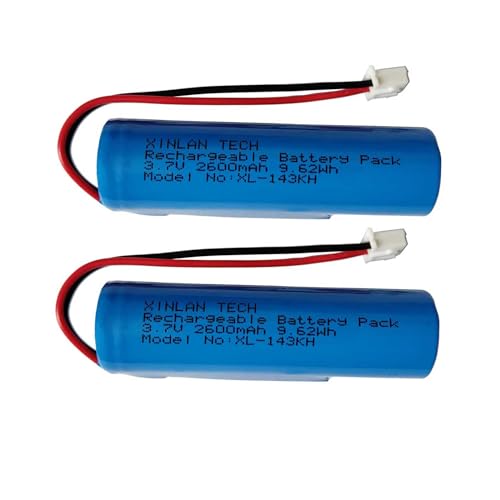
A standard 3.7V option for everyday electronics.
The XINLANTECH 3.7V 2600mAh 18650 battery is a straightforward replacement for devices needing a nominal 3.7V cell. It comes with a JST XH2.54/2P connector, making it plug-and-play for compatible gear like voice amplifiers or DIY projects. The 2-pack is handy if you need a spare on hand.
This battery suits low-to-moderate drain devices such as Bluetooth speakers, LED lighting, or hobbyist circuits. It’s lightweight at 2.65 oz and includes basic protection against overcharging, but it’s not built for high-current applications where sustained power draw is critical.
|
2
|
AOLIKES 3.7v 18650 1s3p 7800mAh Rechargeable Lithium-ion Battery with PH2.0/3P Plug Connec |

A higher-capacity 3.7V pack for extended runtime.
The AOLIKES 18650 1s3p 7800mAh battery combines three 2600mAh cells in parallel to deliver 7800mAh at 3.7V. The parallel configuration means the voltage stays at 3.7V while the capacity adds up, and the built-in protection circuit guards against over-voltage, under-voltage, and over-current scenarios.
This pack is ideal for power-hungry applications like portable speakers or power tools where longer runtime matters. The PH2.0/3P connector simplifies integration, but the trade-off is added bulk and weight compared to single-cell setups.
|
3
|
Keenstone 18650 Battery Charger, Smart Universal Charger LCD Display for Rechargeable Batt |

A universal charger that handles multiple chemistries and voltages.
The Keenstone 18650 Battery Charger works with a broad range of rechargeable batteries, including Li-ion, LiFePO4, and Ni-MH/Ni-Cd types. The LCD display lets you track voltage, current, and charging time for each of the four slots independently, which is useful for managing mixed battery types.
This charger is a solid pick for users with diverse battery needs, whether for household gadgets or hobbyist projects. It meets multiple safety standards and includes intelligent circuit protection, but its larger size and higher cost may be overkill if you only need to charge a single 18650 occasionally.
|
4
|
MIEKLALE 18650 Battery Charger,8+2 Bays Battery Charger with LCD Display | Smart Universal |
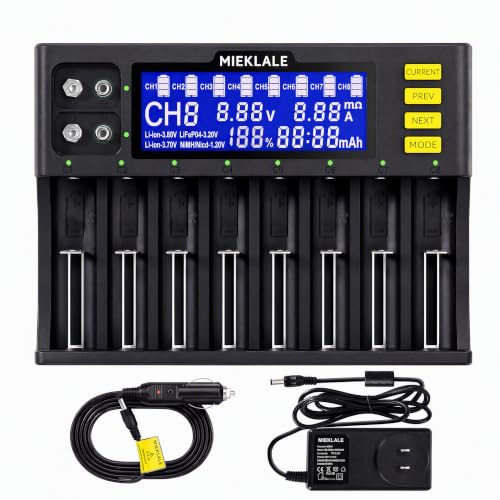
A multi-bay charger with fast charging and detailed monitoring.
The MIEKLALE 8+2 Bay Battery Charger supports a wide array of battery types and sizes, including 18650, 26650, and even 9V cells. It includes a 12V/4A power adapter for fast charging across multiple channels, with adjustable current levels to match your needs.
The LCD screen provides real-time data on voltage, current, charge time, capacity, and internal resistance, helpful for diagnosing battery health. However, the charger itself is sold without batteries, and its larger footprint might not suit minimalist setups.
|
5
|
18650 Battery Charger, Single-Slot Universal 3.7V Battery Charger for 18650 21700 26650 14 |

A compact, no-frills charger for single 3.7V cells.
This single-slot 18650 Battery Charger is designed for 3.7V lithium-ion batteries, including 18650, 21700, and 26650 formats. It includes safeguards against over-charging, over-voltage, short circuits, and over-current, automatically cutting off power once the battery is full.
Its simplicity and portability make it a good fit for travel or occasional use, especially for devices like drones or RC toys. The adjustable slot accommodates different battery lengths, but it only charges one at a time, and the 2A current may not be sufficient for very large cells.
|
6
|
18650 Battery Charger for 3.7V/3.6V Li-ion Batteries 26650 18650 21700 14500 16340(RCR123) |

A universal single-slot charger for 3.7V/3.6V Li-ion and other chemistries.
This 18650 Battery Charger supports both 3.7V and 3.6V lithium-ion batteries, as well as other formats like 26650, 21700, and even Ni-MH/Ni-Cd AA or AAA cells. Like the previous model, it includes protection against common charging risks and stops automatically when the battery is full.
It’s a practical choice for users who need flexibility in a compact form factor. The size-adjustable slot fits various battery lengths, but as a single-slot charger, it’s best for those who don’t need to charge multiple batteries simultaneously.
|
7
|
IMREN 18650 Battery Charger,21700 Battery Charger for 3.7V 14500 10400 18500 18350 18650 1 |

A smart charger with USB-C power for on-the-go use.
The IMREN 18650 Battery Charger is a single-slot smart charger with USB-C power input. It adjusts charging current intelligently and supports fast charging for Li-ion and Ni-MH batteries, making it versatile for different battery types.
Its portability and USB-C compatibility make it a good companion for travel or remote work. The fireproof ABS shell and heat dissipation design add safety, but the single-battery limitation and potentially higher price point may not suit everyone.
|
8
|
AOLIKES 7.4V Lithium-ion Battery Pack 5200mAh, Rechargeable Battery Power Cell w/XH2.54-2P |
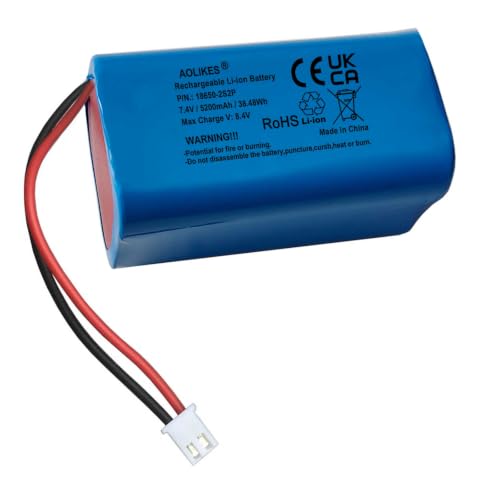
A higher-voltage pack for devices requiring 7.4V input.
The AOLIKES 7.4V Lithium-ion Battery Pack 5200mAh is built from four 2600mAh 18650 cells in a 2S2P configuration, delivering 7.4V and 5200mAh capacity. It includes a protection chip to prevent overcharging and short circuits, and the XH2.54mm 2-pin plug ensures easy connectivity.
This pack is well-suited for 8.4V power tools, mobile speakers, or other devices that require a higher voltage. The trade-off is increased size and weight, but the built-in protections help mitigate risks associated with higher-capacity, higher-voltage setups.
From standard 3.7V cells to higher-voltage packs and chargers with varying features, these picks cover a range of needs. Whether you prioritize capacity, portability, or smart charging, there’s an option that aligns with your voltage and performance requirements.
Maintaining 18650 Batteries
Getting the most out of your 18650 batteries comes down to how you use and store them.
Avoid letting your 18650 batteries sit at 0% for long periods, lithium-ion cells degrade faster when deeply discharged. Aim to recharge before they drop below 20%. Store them in a cool, dry place, ideally at around 50% charge if you won’t be using them for a while.
Extreme heat or cold can also impact performance and safety, so keep them away from direct sunlight or freezing temperatures.
- Charge the batteries regularly to maintain optimal performance.
- Avoid deep discharging the batteries to extend their lifespan.
- Store the batteries in a cool, dry place when not in use.
- Avoid exposing the batteries to extreme temperatures.
- Use the appropriate charger for the battery type and voltage.
Choosing the Right Charger
Not all chargers are created equal, and picking the right one can make a difference in safety and convenience.
If you’re charging a variety of battery types, a universal charger with multiple bays and adjustable settings can save you the hassle of owning separate units. For occasional use, a simple single-slot charger might suffice.
Fast chargers are great when time is limited, but ensure they’re compatible with your battery’s specifications to avoid damage.
Safety Protections
Safety features are non-negotiable. Look for chargers with overcharge, over-voltage, short-circuit, and over-current protection. These safeguards prevent common issues that can shorten battery life or, in worst cases, cause failures.
Charging Speed
Charging speed matters if you’re frequently swapping batteries. A charger with higher current output can recharge cells faster, but verify that your batteries can handle the input to avoid overheating.
Monitoring Features
An LCD display might seem like a luxury, but it’s invaluable for monitoring voltage, current, and charge time. This feedback helps you catch anomalies early, like a battery that’s not holding a charge as it should.
The 18650 battery’s voltage isn’t static, it shifts between 3.6V and 4.2V as it charges and discharges. Matching the right battery and charger to your device’s requirements ensures both performance and longevity. Start by identifying your voltage needs, then pick a solution that fits your workflow.

- Marine Chargers and Backup Batteries: 9 Options Compared (2026) - October 27, 2026
- LTO Cells vs. SLA Generator Batteries: 5 Options Compared (2026) - October 27, 2026
- 12V/24V Backup Batteries and the EcoFlow DELTA Pro 3 (2026) - October 27, 2026