Preventing Battery Terminal Corrosion: Cleaners and Protective Coatings
Battery terminals corrode because battery acid leaks or vapor escapes. That corrosion blocks electrical flow. Cars struggle to start. Batteries die early. The problem gets worse in humid or salty conditions. Preventing corrosion means stopping acid contact with metal. Several products clean and protect terminals.
This guide explains why corrosion forms and how to stop it. Concrete product picks show what works.
Why Battery Terminals Corrode
Recommended Products
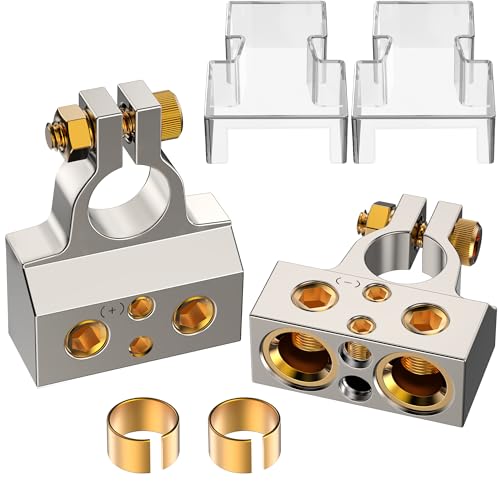

Understanding corrosion helps prevent it. Acid vapor eats away at metal.
Battery terminals corrode when acid leaks or vapor escapes. The vapor reacts with metal, creating a white or blue-green crust. This crust insulates the terminal. Electricity cannot flow well. The battery loses charge. The starter motor gets weak. Corrosion builds slowly. It accelerates in heat, humidity, or salt.
Over time, connections fail. Engines stall. Jump-starts become routine. Preventing contact between acid and metal stops corrosion. Cleaning existing corrosion removes the insulating layer. Protecting terminals seals them from future damage.
- Clean terminals monthly if you park outside
- Wear gloves and eye protection before cleaning
- Disconnect the negative cable first, always
- Rinse with water after applying acid neutralizer
- Apply protective coating after every clean
- Check battery age; replace if over four years
Products To Prevent Battery Terminal Corrosion
Recommended Products

These products remove corrosion and seal terminals. Each targets a different part of the problem.
|
1
|
CRC Tech Grade Battery Cleaner w/Acid Indicator – 11 oz | Battery Acid Cleaner, Terminal a |

Cleans corrosion and detects acid leaks with a pink indicator.
CRC Tech Grade Battery Cleaner uses an acid indicator. It turns pink when acid is present. Spray it on the terminal. The foam dissolves corrosion fast. Rinse off residue with water. No scrubbing needed for light buildup. The 11-ounce can covers several batteries. Professionals use it on fleet vehicles.
It handles cable and tray cleaning too.
Works best on moderate corrosion. Heavy buildup needs a brush. The pink indicator only shows fresh acid. Old leaks may not trigger it. Good for monthly maintenance. Keep it in a garage or workshop. Not ideal for side-terminal batteries. Buy one if you want quick detection and cleaning.
|
2
|
NOCO E404 12.25 Oz Battery Terminal Cleaner Spray and Corrosion Cleaner with Acid Detector |
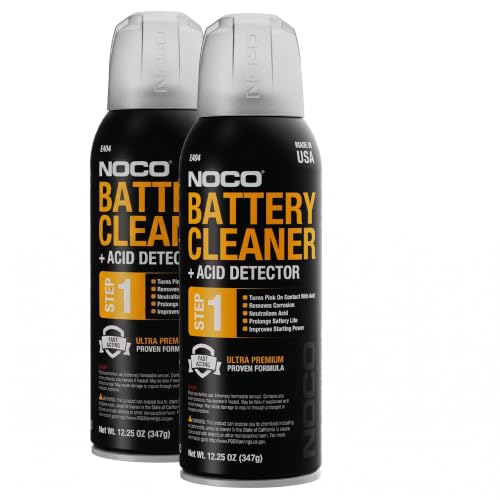
Spray-on formula with acid detection and fast foaming action.
NOCO E404 is a 12.25-ounce spray. It foams on contact. The pink indicator shows acid. Spray, wait seconds, then rinse. Two cans in a pack last a year. It neutralizes acid and restores current flow. Cranking power returns within minutes.
Pack of two saves money over time. Foam can drip on painted surfaces. Rinse thoroughly to avoid stains. Works on top-post and side-post terminals. Not as thick as gel protectors. Best for routine cleaning between major services.
|
3
|
CRC Battery Terminal Protector Spray – Anti-Corrosion Coating – 7.5 oz | Battery Terminal |

Leaves a soft protective coating after cleaning.
CRC Battery Terminal Protector sprays on clear. It forms a lead-free soft coating. The 7.5-ounce can protects one car for months. Spray on clean terminals. The coating blocks moisture and acid vapor. No wiping needed.
Only protects already-clean terminals. Corrosion returns where coating wears. Reapply every three months. Leaves a slightly tacky feel. Not a cleaner by itself. Pair with a brush or cleaner spray. Good for long-term prevention.
|
4
|
CRC 05023-12PK Battery Cleaner (Acid Indicator 12/11Oz) |

Twelve-pack bulk buys save money for frequent users.
CRC 05023-12PK gives twelve 11-ounce cans. Each removes corrosion and neutralizes acid. The indicator turns pink on acid contact. Fleet managers stock this case. One can per vehicle means full coverage. Bulk price beats retail.
Heavy case takes storage space. Smaller garages may not need twelve cans. Shelf life shortens past two years. Best stored cool and dry. Great value for commercial or multi-car households. Not economical for one car only.
|
5
|
NOCO NCP2 M401 Battery Terminal Cleaner and Protector Kit with Brush | Clean and protect c |

Clean-and-protect kit combines spray and brush in one set.
NOCO M401 kit includes cleaner spray and a post brush. Spray dissolves corrosion. Brush scrubs stubborn crust. Sealant protects after cleaning. One-step clean and protect. Handles full maintenance cycle. Made in USA since 1914.
Brush is short; hard to reach tight posts. Sealant dries slowly in cold weather. Two-step process takes extra time. Better than single products. Good starter kit for beginners. Professionals prefer separate tools.
|
6
|
NOCO Remove E403S 14 Oz Battery Terminal Cleaner Spray |

Simple 14-ounce spray removes corrosion with rinse-off formula.
NOCO Remove E403S sprays on. It neutralizes acid and dissolves corrosion. Rinse off in three minutes. Restores current flow instantly. Reduces voltage leakage. Cheap and fast. Keeps terminals bright.
No indicator dye included. Miss acid source if unseen. Requires separate brush for heavy crust. Leaves no protective layer. Use monthly for best results. Best paired with a coating spray. Basic tool for minimal upkeep.
|
7
|
Battery Terminal Cleaner Tool Kit, 2-Pack Battery Post Wire Brush with Metal Case and 10 A |

Brush and washers clean posts and block future acid vapor.
Dual-ended stainless-steel brush cleans posts fast. Twist the end onto terminals. Ten fiber washers block acid vapor. Red marks positive, green marks negative. Case stores both safely. Fits 6V and 12V batteries.
Washers must be replaced yearly. Brush bristles wear out. Not usable while battery runs. Works on cars, boats, RVs. Best done when battery is off. No cleaner spray included. Pair with a chemical spray for full clean.
|
8
|
East Penn 00321 Battery Cleaner Spray – 15 oz. |

Fifteen-ounce spray covers large batteries in one pass.
East Penn sprays 15 ounces. Covers big truck or marine batteries fully. Neutralizes acid in three minutes. Cleans cables and trays too. Made in USA. Low flash point means use in ventilated areas only.
No indicator dye. Miss hidden acid trails. Liquid formula splashes if shaken. Store upright always. Heavy can taxes one hand. One can goes far. Good for occasional large-battery jobs. Less ideal for small daily cars.
|
9
|
Permatex 80369 Battery Cleaner, 5.75 oz. net Aerosol Can |

Five-point-seven-ounce can cleans small jobs fast.
Permatex 80369 sprays on in three minutes. It dissolves corrosion on tight spots. Works on keyboards, remotes, and battery contacts. Cleans dirt and grime together. Small can fits any glove box. Marine-safe formula included.
Tiny can runs out quickly. Not bulk-priced. Limited reach on big terminals. Best for touch-ups between major cleans. Covers less surface area. Good backup can. Keep one in tool bag always.
|
10
|
Corrosion Gone Battery Spring and Contact Cleaner |

Spray cleans battery springs and contacts beyond cars.
Corrosion Gone removes leakage from all battery types. Clean music gear, remotes, and circuit boards. Restores conductivity on weak contacts. Works on electronics where other sprays cannot reach. Non-conductive spray formula.
Not tested on vehicle batteries. Weak against heavy acid crust. Best for household and gadget cleanup. No protective coating. Reapply after every cleaning session. Great for fixing old electronics.
Ten options cover every need. Chemical sprays clean. Brushes scrub. Coatings seal. Kits combine steps. Bulk packs save money. Specialized cleaners fix gadgets. Choose based on your battery type and cleaning habit.
Maintenance Schedule To Keep Corrosion Away
Regular cleaning prevents buildup. Monthly checks catch problems early.
Turn off engine. Remove keys from ignition.
Put on gloves. Pull off negative cable first.
Spray cleaner. Let it foam for one minute.
Scrub crust with brush if needed.
Rinse with water. Dry completely.
Apply protective coating. Reconnect cables.
- Every month if parked outside year-round
- Every three months for garage-kept cars
- After every jump-start or battery service
- If you see white crust forming
- Before winter if driving in salt areas
- Immediately if acid smell is sharp
Replacing Terminals And Knowing When It Fails
Severe corrosion may mean permanent damage. Know the signs.
Red Flags Requiring Professional Help
Severe corrosion eats through metal. Posts crack or thin. Battery casings bulge. Acid seeps past seals. These need expert inspection. DIY cleaning cannot fix structural damage. Replacement parts cost more than sprays. But ignoring cracks means sudden failure. Stop driving if terminal breaks loose. Tow to a shop.
Cheap cleaners delay real problems. Know limits before rust wins.
When Protection Coatings Stop Working
Coatings wear thin over time. Reapplication matters. If corrosion returns within weeks, seal failed. Moisture seeps under edges. Acid vapor found gaps. No coating lasts forever. Most need reapplication every three months. Older batteries vent more acid. Seals harden and leak. Replacing the battery often ends terminal issues.
Clean terminals alone extend life by years. Track intervals to stay ahead.
Product Type Comparison
| Type | Cleaning Speed | Protection Duration | Ideal User |
|---|---|---|---|
| Spray Cleaner | Fast (seconds) | None | Monthly maintainers |
| Protective Coating | Slow (minutes) | Months | Long-term preventers |
| Brush Kit | Moderate (minutes) | None | Hands-on cleaners |
| Washers/Gaskets | N/A | Months | Set-it-and-forget users |
To prevent battery terminal corrosion, clean acid off regularly and seal metal with a protective coating. Start today by buying one cleaning spray and applying it to your terminals. Reconnect cables and add a thin layer of protection to block future acid vapor.

- Marine Chargers and Backup Batteries: 9 Options Compared (2026) - October 27, 2026
- LTO Cells vs. SLA Generator Batteries: 5 Options Compared (2026) - October 27, 2026
- 12V/24V Backup Batteries and the EcoFlow DELTA Pro 3 (2026) - October 27, 2026