How To Recycle Car Battery?
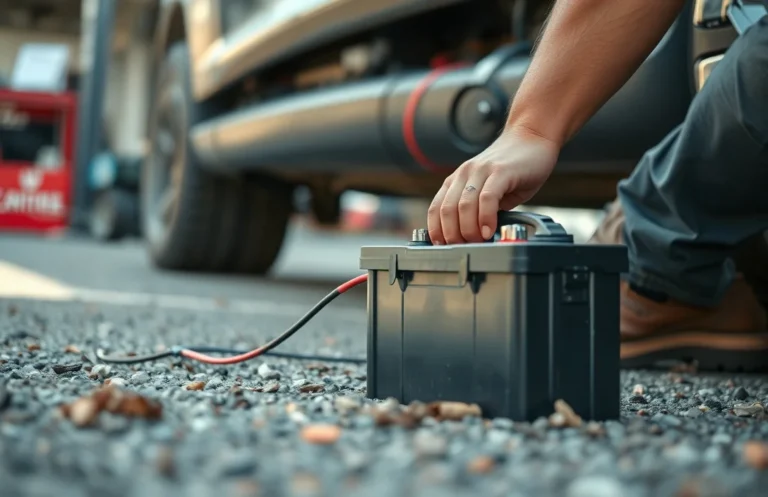
Recycling a car battery the right way matters more than you might think. Lead acid batteries hold sulfuric acid and lead, materials that can leach into the ground and water if not handled properly.
The process isn’t just about dropping it off somewhere; it’s about knowing where, when, and how your local rules apply. This breakdown walks through the safest approach and highlights the tools that simplify the job.
Why Proper Car Battery Disposal Matters
Recommended Products

Tossing a car battery in the trash or a backyard corner isn’t just careless, it’s dangerous. The chemicals inside can seep into the soil, contaminate water supplies, and harm wildlife for years. Before you decide how to dispose of yours, it’s worth understanding the risks and why proper recycling is non-negotiable.
Lead acid car batteries are among the most recyclable products out there, nearly every material inside can be reclaimed. But that doesn’t mean they’re harmless. Cracking one open releases sulfuric acid and lead dust, both of which can cause serious environmental damage.
Even a small leak can taint thousands of gallons of water. Most states have outright banned tossing them in landfills, though enforcement isn’t always consistent. The good news? Auto parts stores, service centers, and municipal hazardous waste facilities often take them off your hands at no cost.
The catch: not all programs accept every type of battery, so you’ll need to match your battery chemistry with the right collection method.
Battery Types and Recycling Paths
| Battery Type | Best Recycling Method | Key Hazard |
|---|---|---|
| Lead Acid (Car) | Auto parts stores, hazardous waste centers | Sulfuric acid, lead |
| Dry Cell (AA, C, D) | Mail-back kits, electronics stores | Heavy metals |
| Lithium-ion | Call2Recycle, specialized drop-offs | Thermal runaway |
| Sealed AGM | Hazardous waste, some retailers | Acid leakage |
Steps Before Sending Your Battery Out
Recommended Products


A few quick checks can save you hassle, or worse, down the line. Before you hand over your battery, run through these basics.
- Wear gloves and eye protection when moving the battery
- Keep the battery upright to prevent acid leaks
- Do not break or puncture the casing
- Remove jewelry that could conduct electricity
- Place the battery in a plastic tray or bin to contain spills
- Label the container as hazardous if storing temporarily
Locate your nearest auto parts store or hazardous waste center online
Call ahead to confirm accepted battery types and any fees
Secure the battery in your trunk or truck bed away from passengers
Fill out any required forms or receipts provided at drop-off
If mailing, use a prepaid kit and follow packaging instructions exactly
Recycling Kits That Handle Car Batteries for You
Recommended Products


Not all recycling kits work the same way. Some handle shipping for you, others give you a secure place to store batteries until you’re ready to drop them off. The right choice depends on what you’re recycling, how much space you have, and whether you need a hands-off solution.
|
1
|
EZ on the Earth – Lead Acid Battery Recycling Kit – 2.0 Gallon Battery Recycling Pail – Pr |

Prepaid mail-back pail covers shipping and packing for lead acid car batteries safely.
The EZ on the Earth Lead Acid Battery Recycling Kit arrives with a 2. 0-gallon pail and a prepaid shipping label. You drop your used sealed lead acid battery inside, seal the container, and send it back, no extra charges for handling or pickup.
Once processed, the company sends a certificate of recycling for your records. Just keep in mind: this kit is for intact batteries only. If yours is leaking or damaged, you’ll need to visit a hazardous waste center instead.
This is a solid pick for homeowners who replace a car battery every year or two. If you live in a city without easy access to a drop-off site, the prepaid label takes the guesswork out of disposal. The downside?
It’s designed for one battery at a time, so it’s not ideal for bulk recycling.
|
2
|
EZ on the Earth – Dry Cell Battery Recycling Container Kit – 1 Gallon Battery Recycling Pa |

1-gallon mail-back container handles dry cell types like AA, C, and 9-volt batteries efficiently.
The EZ on the Earth Dry Cell Recycling Container is a 1-gallon pail that fits inside a cardboard box, complete with a free return label. It’s UN-approved, so it meets shipping safety standards, and it accepts a wide range of dry cell batteries, alkaline, NiCad, lithium-ion, and more.
No additional packing is required; just fill it up and send it back.
Offices or households with a steady stream of small batteries will appreciate the convenience. The kit takes the guesswork out of sorting, but it won’t work for lead acid car batteries. Also, if you only have a few batteries to recycle, the cost may not be worth it.
|
3
|
Set of 2 Large Battery & Cellphone Recycling Boxes |

Pair of metal collection boxes gives bulk storage for batteries and old cell phones at once.
This set includes two large metal recycling boxes, each measuring 11. 5 x 6 x 6 inches. They’re built to last, with hinged lids that open flat for easy filling. Use one for batteries and the other for phones or accessories.
The sturdy construction holds up to frequent use, whether in a garage or workshop.
These are ideal for repair shops or collectors who handle a lot of devices. The slim design fits under shelves, but remember: these are just collection bins. You’ll still need to transport them to a certified recycler yourself, as there’s no prepaid shipping label included.
|
4
|
Small Battery & Cellphone Recycling Box |

Compact plastic box with Call2Recycle branding fits small apartments and home offices.
The Small Battery and Cellphone Recycling Box is a space-saving option, measuring just 6. 5 x 5 x 3. 5 inches. It’s made of sturdy plastic with a secure latch to keep contents from spilling. Certified by Call2Recycle, it’s designed for small batteries, old phones, and chargers.
The compact size makes it easy to tuck into a drawer or corner of a desk.
This is a great choice for renters or anyone short on space. The lightweight handle makes it easy to carry to a participating retailer when full. The trade-off? The capacity is limited, so you’ll need to make frequent trips.
It also doesn’t accept lithium-ion pouch batteries, which are common in newer devices.
|
5
|
Large Battery & Cellphone Recycling Box |

Large reinforced cardboard box holds multiple devices securely until pickup or drop-off.
The Large Battery and Cellphone Recycling Box is made from reinforced cardboard with a hinged lid. It’s big enough to hold several smartphones, tablets, or battery packs at once. Just slide in your devices, seal the flap, and store it until you’re ready to drop it off.
The cardboard is eco-friendly and breaks down after use.
This works well for families upgrading multiple devices at once. One box can replace scattered e-waste around the house. The downside is that cardboard isn’t as durable as plastic or metal, so it’s best kept indoors to avoid damage from moisture.
|
6
|
ATOLS Upgraded 220W Cordless Plastic Welder, 1000PCS Staples, USB Rechargeable Cordless Ca |

220-watt cordless welder repairs cracked plastic casings on battery housings efficiently.
The ATOLS cordless plastic welder runs on a built-in 5000mAh battery, giving you two to three hours of continuous use. With 220 watts of power, it heats to 1380°F in just one to two seconds.
The kit includes 1000 staples in six different types to handle a variety of plastic repairs. A front LED light helps you see in dark workspaces, like under a car hood.
This is a great tool for DIY mechanics fixing cracked battery trays or covers. The cordless design means you can work anywhere without being tethered to an outlet. The only downside is that the internal battery may need recharging during longer jobs, so plan accordingly.
|
7
|
Dual Battery Isolator Kit 12V – 140 Amp Multi-voltage 12v or 24v Kit (VSR) for Dual Batter |

140-amp VSR relay kit maintains dual battery charge without voltage drop in vehicles.
The Dual Battery Isolator Kit works at 12 or 24 volts with a 140-amp capacity. It automatically engages at 13. 4 volts and cuts out at 12. 8 volts, ensuring your auxiliary battery stays charged without draining the starting battery.
The kit includes all necessary cables, terminals, and instructions, and it’s IP65-rated for protection against water, dust, and vibration. It’s a solid fit for trucks, RVs, and boats.
This prevents your auxiliary battery from draining your starting system during long trips or camping. The compact size fits under most hoods, though some users note a clicking noise from the relay inside the cabin. Otherwise, it’s reliable in tough conditions, from off-road trails to saltwater environments.
|
8
|
Alasum Wall-Mounted Aa Battery Case Recycling Bin with Lock Keys, Impact Resistant Portabl |

Wall-mounted aluminum battery bin centralizes small battery drop-off for communities.
The Alasum wall-mounted battery case is built from aluminum alloy and density board for durability. It features a keyed lock to prevent unauthorized access and clear graphics to guide proper disposal through a designated slot. It mounts easily indoors, making it a good fit for offices, schools, or apartment lobbies.
It’s designed to collect AA and AAA batteries in one convenient location.
Property managers looking to set up a centralized recycling station will appreciate this. It saves floor space and encourages participation. The main drawback is that it requires periodic emptying by maintenance staff. It’s also not weatherproof, so it’s best used indoors.
|
9
|
GRVODFRTA Cordless Plastic Welder Gun Compatible with Dewalt 20V Max Battery with 600PCs H |

Dewalt 20V-compatible welder fixes plastic battery enclosures without wall power nearby.
This plastic welder from GRVODFRTA works with Dewalt 20V Max lithium-ion batteries (sold separately). It heats staples in just three seconds, melting them into broken plastic joints. The kit includes 600 staples across six types for versatile repairs.
A front LED light helps in dim workspaces, and low-voltage protection safeguards your battery.
This is perfect for field repairs on farm equipment or construction sites where outlets aren’t available. The lightweight design reduces fatigue during extended use. The only catch is that you’ll need to carry spare battery packs, as the welder doesn’t include one.
If you don’t already own Dewalt tools, you’ll need to invest in their ecosystem first.
|
10
|
GRVODFRTA Cordless Plastic Welder Gun Compatible with Milwaukee M18 18V Battery with 600PC |

Milwaukee M18-powered welder repairs plastic battery cases quickly at job sites.
This GRVODFRTA welder is compatible with Milwaukee M18 18V batteries (not included). It offers the same rapid heating and 600-staple selection as the Dewalt model, with an LED light for low-visibility tasks. Overcurrent protection prevents damage to the tool. It’s effective for repairing car bumpers, dashboards, and other thin plastics.
If you already own Milwaukee tools, this is a seamless addition to your kit. The cordless design means no bulky transformers or power cords, making it easy to move around job sites.
The limitation is the same as with the Dewalt model: you’ll need to keep charged M18 packs on hand for uninterrupted work.
From safe disposal to on-the-spot repairs, these products cover the full spectrum of battery lifecycle management. Whether you’re looking to recycle responsibly or fix a cracked casing, there’s a tool here to help you do it without harming the environment, or yourself.
Maintaining and Using Recycling Tools Long-Term
Recommended Products


Getting the most out of your recycling tools or repair gear comes down to maintenance. A little care goes a long way in keeping them functional and reliable.
Maintenance Schedule by Product Type
| Item Type | Clean After Use? | Replace Every |
|---|---|---|
| Mail-back pail | Wipe exterior | 3 years |
| Metal collection bin | Monthly wipe | 5+ years |
| Plastic welder | Cool then brush debris | As needed |
| Wall-mounted bin | Quarterly empty | Indefinite |
- Store mail-back kits indoors away from heat or moisture
- Empty collection bins before they overflow or attract pests
- Allow plastic welders to cool fully before storing tips or staples
- Check seal integrity on containers monthly for cracks or warping
- Keep user manuals and warranty documents filed with each item
When to Replace or Upgrade Your Setup
Wear and tear show up differently depending on how often you use your tools and where you store them. Catching the early signs can prevent bigger problems later.
Recycling containers don’t last forever. Look for faded labels, warped lids, or rust spots that could compromise the seal. Cardboard boxes should be replaced annually if they’re kept in damp areas. Metal bins can last for decades, but dents or damage might make them unsafe to use.
For electric tools like welders, a declining trigger response or inconsistent heating can signal internal issues. Battery-powered models lose runtime as their cells age, swap out the pack when you notice work time dropping below 30 minutes.
Staying ahead of these issues means you won��t be scrambling last-minute before a big cleanup or community event.
Assess current throughput needs versus annual usage trends
Compare feature gaps against newer models available today
Calculate total cost of ownership including shipping or maintenance
Test performance limits under maximum realistic loads
Prioritize upgrades that reduce labor time or safety risks
Avoiding Common Recycling Mistakes
Small mistakes can lead to rejected shipments, fines, or even environmental harm. A quick verification before every drop-off keeps you on the right side of the rules.
Frequent Errors and Fixes
| Mistake | Consequence | Quick Fix |
|---|---|---|
| Mixing battery types | Contaminated batch rejected | Sort by chemistry clearly |
| Improper packaging | Leak during transit | Use original or labeled containers |
| Skipping labels | Unknown contents delay processing | Affix printed shipping tags |
| Exceeding weight limits | Carrier refuses pickup | Weigh box before sealing |
- Double-check accepted chemistries listed by each program before packing
- Photograph packed containers as proof in case of disputes
- Track shipment numbers and retain certificates until audit confirmation
- Report damaged packaging immediately to avoid liability claims
To recycle a car battery, start by finding a retailer or hazardous waste facility near you that accepts lead acid units. Transport the battery upright in a leak-proof container, and before you leave the house, confirm with staff that they’ll take it.
Then, take your filled recycling kit or old battery to the location today.

- 10 Best Battery For Generator Ev Battery Bank Marine 2026 - October 27, 2026
- 10 Best Battery For Generator Ev Battery Bank Lto 2026 - October 27, 2026
- 10 Best Battery For Generator Ev Battery Bank Low Voltage 2026 - October 27, 2026