Chemical Potential Energy in Batteries: Chemistries and Storage Risks
A battery on a shelf looks inert, but it’s essentially a chemical energy vault waiting to be tapped. The electricity powering your devices is just the final output; before that, potential energy is locked within molecular bonds.
This distinction matters when you’re choosing storage solutions or handling cells safely, as different chemistries hold this energy with varying densities and risks. Below, I break down the science behind battery energy storage, followed by ten products that show how different formats manage that stored power safely.
Chemical Potential Energy Inside Every Battery Cell
Batteries don’t store electricity directly, they store chemical potential energy. Here’s how that energy transforms into usable power when you close a circuit.
Every battery relies on electrochemical reactions. Inside the cell, two electrodes sit separated by an electrolyte, holding chemical potential energy until a device connects to the terminals.
Once connected, electrons flow from the negative anode to the positive cathode through the external circuit, while ions move through the internal electrolyte to balance the charge. This movement converts stored chemical energy into electrical energy.
The amount available depends entirely on the materials used: lithium-ion cells pack more chemical potential into less space than alkaline ones, while lead-acid batteries use heavier materials but handle deep discharges well.
Regardless of chemistry, the core principle is identical: chemical bonds break and form during discharge, releasing stored potential as current. Rechargeable batteries simply reverse this reaction when plugged in.
How Battery Chemistries Store Potential Energy
| Battery Chemistry | Energy Storage Medium | Typical Application |
|---|---|---|
| Lithium-Ion | Lithium cobalt oxide compounds | Phones, laptops, EVs |
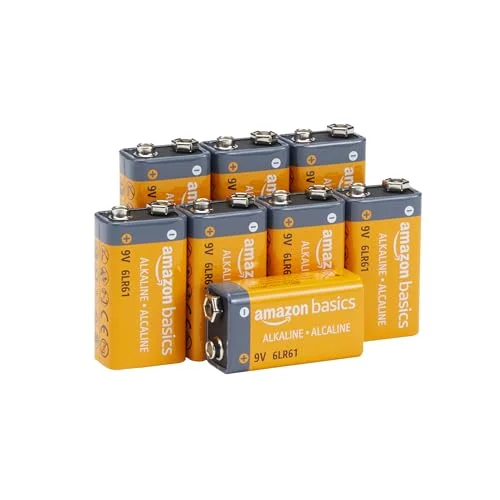
| Alkaline | Zinc and manganese dioxide | Household remotes, flashlights |
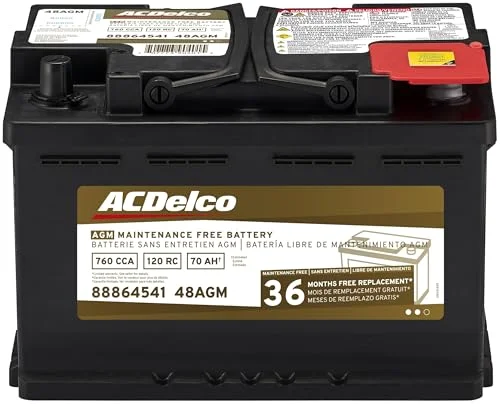
| Lead-Acid | Lead plates and sulfuric acid | Cars, backup power systems |
| LiFePO4 | Lithium iron phosphate crystals | Solar storage, RVs |
Why Storing Chemical Energy Creates Safety Risks
Because batteries store chemical potential rather than harmless static electricity, mishandling them carries real consequences. Thermal runaway and short circuits happen when that stored energy releases uncontrollably.
The same chemical potential energy that powers devices can cause severe damage if released improperly. When internal separators fail, the anode and cathode touch directly, creating a short circuit that rapidly converts chemical energy into heat.
In lithium-based cells, extreme heat triggers thermal runaway: the electrolyte boils, gases expand, and the casing may rupture or ignite. Alkaline cells leak corrosive potassium hydroxide when their seals degrade over time, and even small button cells pose ingestion hazards because stomach acid accelerates the chemical reaction.
Managing these risks requires recognizing that dormant batteries still hold significant stored energy. Proper storage keeps terminals separated and environments cool, while fire-resistant containers add a critical layer of defense for high-density lithium packs.
- Keep loose batteries in individual slots so metal terminals never touch each other.
- Store lithium packs inside fire-resistant enclosures while charging or resting long-term.
- Avoid placing batteries near radiators, direct sunlight, or other intense heat sources.
- Test older cells regularly to identify leaking or swollen units before they fail.
- Dispose of damaged batteries immediately at designated recycling centers rather than trash bins.
Storage Gear To Manage Battery Energy Safely
Understanding that batteries hold chemical potential energy makes safe storage essential. The following ten products help contain that energy securely.
Whether you’re organizing household alkalines or protecting large lithium solar banks, these items address the physical risks of stored chemical power, with each selection targeting a specific storage scenario tied to managing battery energy safely.
|
1
|
6mm 120A Single core Energy Storage high Voltage Connector Screw Type M6, Energy Energy St |

This 120A screw connector safely channels the chemical energy converted to current in large storage battery systems.
High-voltage battery systems need robust connections to transfer converted chemical energy without resistance losses. This 6mm 120A single-core connector uses a screw-type M6 terminal for secure attachment, with a PA66 nylon shell that withstands high temperatures generated during heavy current flow.
Designed specifically for energy storage cabinets and photovoltaic setups, it ensures stable power delivery, while waterproof construction protects the connection point from environmental moisture that could cause shorts.
Installers building commercial or household energy storage arrays rely on connectors like this black 120A plug to handle the substantial current produced when large lithium banks discharge their chemical potential. However, it serves strictly as a component rather than a standalone storage solution.
Professional installation is necessary to torque the M6 screw correctly, as improper tightening increases resistance, converting useful electrical energy back into dangerous heat at the junction.
|
2
|
6mm 120A Single core Energy Storage high Voltage Connector Screw Type M6, Energy Energy St |

The orange color coding helps technicians safely route converted chemical energy in complex multi-bank storage setups.
Managing multiple battery strings requires clear visual identification to prevent wiring errors. This orange 120A screw plug mirrors the black version’s PA66 nylon construction and waterproof rating, but the distinct color allows technicians to differentiate positive leads or separate battery banks instantly.
Like its counterpart, it handles 6mm cables transferring high current from chemical energy conversion, fitting seamlessly into water-cooled inverters and communication energy storage racks.
Color-coded connectors prove invaluable in industrial energy storage facilities where dozens of cells link together. Mistaking a cable path could force chemical energy through the wrong circuit, causing immediate failure, and this orange variant solves that routing problem effectively.
The limitation remains identical to the black model: it demands precise M6 screw torque, and users must ensure the surrounding environment stays within the nylon shell’s thermal operating limits.
|
3
|
Battery Organizer Storage Box with Tester, Battery Vault Case Fireproof Waterproof Explosi |
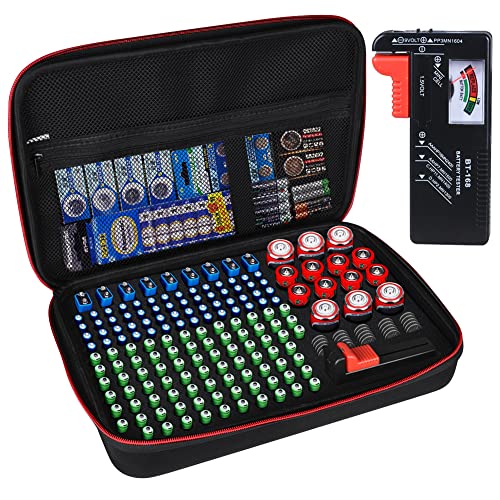
Fireproof fiberglass contains the hazardous chemical potential energy inside household batteries if they leak or swell unexpectedly.
Household drawers often accumulate mixed battery types whose stored chemical energy slowly degrades. This YOHAWJER organizer addresses that hazard using silicone-coated fiberglass rated up to 2000 degrees.
The explosion-proof design contains swelling cells before their chemical potential turns destructive, with pre-cut foam slots holding 79 AA, 56 AAA, and various button cells separately. Keeping contact ends apart prevents accidental discharge of stored energy while in storage.
Families with large collections of remote-control and toy batteries benefit most from this vault. The included BT-168 tester lets users check which cells still hold usable chemical energy, preventing dead batteries from being stored alongside fresh ones.
While highly protective, the soft bag format lacks rigid stacking strength, so users needing to store heavy D-cell quantities might find the fabric structure slightly too flexible for dense packing under weight.
|
4
|
Tamfile Large Lithium Battery Box, Hard Fireproof Explosion-proof Lipo Bag | Battery Safe |

Adjustable dividers isolate volatile lithium chemical energy during charging to prevent thermal runaway between adjacent battery packs.
Lithium polymer batteries pack immense chemical potential energy into lightweight pouches, and the Tamfile XL box manages this volatility using fire-retardant silicone-coated fiberglass. Six adjustable 10mm insulated dividers let users separate multiple LiPo packs physically, preventing one failing cell from igniting adjacent stored energy.
Two bottom Velcro ports allow charging cables to pass through while the lid remains fully secured.
Drone pilots and RC hobbyists charging several packs simultaneously need this level of containment. The mesh top pocket organizes balance leads away from the main chemical energy reservoirs below, and four top vents release pressure if thermal runaway occurs, directing expanding gases safely upward.
One honest limitation involves the foldable design: while convenient for travel, folding the box repeatedly over months may eventually crease the rigid fiberglass panels.
|
5
|
Battery Daddy Ontel Organizer Storage Case & Tester, Holds 180, Charcoal |

Double-sided foam prevents loose batteries from draining their stored chemical energy through accidental terminal contact inside drawers.
Loose batteries touching inside a drawer slowly drain their stored chemical energy through unintended circuits. The Ontel Battery Daddy prevents this using double-sided foam organization, with a clear ‘Easy View’ cover that allows instant inventory checks without exposing cells to air.
Holding up to 180 batteries across both sides, it accommodates AA, AAA, C, D, and coin cells, while the charcoal exterior blends neatly into professional toolboxes or home shelves.
Technicians who carry varied battery sizes daily will appreciate the built-in carrying handle. The included tester quickly identifies which cells still possess viable chemical potential energy, and secure latches keep the case shut during transport to prevent spills.
However, the hard plastic shell offers no fire resistance, meaning if a lithium cell inside experiences thermal runaway, this organizer cannot contain the resulting heat like fiberglass alternatives designed specifically for that hazard.
|
6
|
Amazon Basics Portable Battery Storage Case with Tester, Wall-Mounted Design, Carrying Han |

Wall-mountable storage keeps everyday batteries organized so their chemical potential energy remains safely contained and easily accessible.
Amazon Basics designed this 110-capacity case for straightforward household battery management. The transparent cover reveals stored chemical energy reserves at a glance without opening the lid, and wall-mounting holes elevate the container away from damp counters or curious children. Included testers check 1.
5V and 9V cells to verify remaining chemical potential, with dedicated slots fitting 48 AA, 36 AAA, and 14 coin cells securely apart.
Homeowners wanting a simple grab-and-go solution for remotes and flashlights will find this practical. The carrying handle supports portability during power outages when locating stored energy matters most, and its 9. 37 by 11. 69 inch footprint fits standard shelving easily.
The primary limitation is capacity: larger households relying heavily on battery-operated devices will fill the 110 slots quickly, requiring a second unit or a larger alternative.
|
7
|
ENGPOW Battery Organizer Storage Box w/Tester,Protects Up to 220 Batteries | Fireproof,Wat |

UL94-V0 certified fiberglass provides verified protection against uncontrolled chemical energy release in large household battery collections.
Storing over 220 batteries concentrates significant chemical potential energy in one location. The ENGPOW organizer mitigates this risk using thickened, non-itchy silicone-coated fiberglass, and passing the UL94-V0 flame retardant test proves its ability to withstand extreme thermal events.
Pre-removed foam padding means the case works immediately out of the box, with two zippered pockets storing the included tester and smaller button cells separately from larger formats.
Preppers stocking emergency supplies value the sheer volume this 13. 4-inch case handles safely. Separating 66 AA and 56 AAA cells prevents cross-draining of their stored chemical energy, and the double zipper seals tightly against moisture intrusion during long-term pantry storage.
Despite its fireproof rating, the bag remains relatively heavy when fully loaded, so carrying 220 batteries plus the thick fiberglass shell requires using the reinforced handle carefully to avoid strain.
|
8
|
Linkidea Small Hard Case Battery Organizer Storage Box, Batteries Carrying Holder Containe |

Semi-waterproof EVA shielding protects small batches of stored chemical energy from splashes and physical impacts during transport.
Not every situation requires housing hundreds of cells holding chemical potential energy. This Linkidea compact case stores 34 batteries across common sizes like AA, AAA, and 9V.
Constructed from semi-waterproof EVA material, it resists minor splashes and physical drops, with a smooth 360-degree double zipper that opens fully flat for easy access. An inner mesh pocket holds small accessories or spare button cells securely.
Photographers or audio technicians carrying a few essential spares prefer this minimalist dark grey box. At just 6. 2 by 6 inches, it slips into camera bags without adding bulk. Keeping 15 AA cells separated preserves their chemical energy until the equipment needs power.
The trade-off for this portability is limited thermal protection: unlike fiberglass vaults, the EVA foam cannot contain a lithium cell failure if one were accidentally packed inside.
|
9
|
VLITEX Lithium Battery Storage Box XL – Fire-Resistant | E-fiberglass and silicone fabric |

German-engineered E-glass fiber shields high-density lithium chemical energy during transit, meeting strict professional safety certifications.
Professional environments demand certified containment for the volatile chemical energy inside lithium batteries. VLITEX engineers this XL box in Germany using multi-layered E-glass fiber and silicone fabric. Fire departments and battery manufacturers trust this specific blend to reduce fire risks effectively. The 15. 5 by 12.
2 inch interior accommodates large drone batteries or e-bike cells, and multiple renowned institutes have tested and certified its safety performance rigorously.
E-bike owners and commercial drone operators investing in expensive lithium packs need this assurance. The premium materials ensure the stored chemical energy remains isolated even during vehicle transport. Unlike foldable bags, this structured box maintains its shape under heavy loads consistently.
The main drawback is the higher cost associated with German engineering and certification; budget-conscious users storing low-risk alkaline cells will find this level of protection unnecessary for their needs.
|
10
|
XBERSTAR 12V100Ah Battery Case for LiFePO4 32700 26650 18650 12V 12.8V 100Ah 120Ah 150Ah C |

This enclosure houses LiFePO4 cells that convert stable chemical potential energy into reliable 12V solar storage power.
Solar energy systems depend on batteries that store chemical potential reliably over thousands of cycles. The XBERSTAR case houses 90 pieces of 32700 or 26650 LiFePO4 cells. Assembled, these create a 12. 8V 100Ah bank replacing traditional lead-acid units. The built-in LCD display monitors voltage settings defaulted to 12.
8V for four-series configurations, and screwless assembly simplifies building custom solar storage banks for off-grid energy independence.
DIY solar enthusiasts building 12V energy storage systems use this box to organize raw cells. LiFePO4 chemistry offers exceptional stability when converting stored chemical energy compared to other lithium variants. The 330mm external length fits standard inverter compartments and RV battery trays nicely.
Users must source the actual 32700 cells separately since this listing provides only the enclosure, and building the pack requires spot-welding knowledge to connect cells safely before sliding them inside.
These ten products demonstrate how differently stored chemical energy gets managed in practice. From heavy-duty fiberglass vaults containing lithium hazards to simple plastic organizers separating alkaline terminals, each addresses specific risks.
Selecting the right storage method depends entirely on the battery chemistry and the total amount of chemical potential energy kept in one place.
Matching Storage Methods To Your Specific Battery Chemistry
Different chemistries store chemical potential energy with vastly different risk profiles. Treating a lithium polymer pouch like a standard alkaline cylinder invites trouble. Matching the containment strategy to the cell type ensures long-term safety.
Handling High-Density Lithium Cells
Lithium-ion and lithium polymer batteries concentrate massive chemical potential energy into small volumes. Their organic liquid electrolytes remain highly flammable if exposed to oxygen during a failure. Storing these cells requires fire-resistant barriers like silicone-coated fiberglass or E-glass composites. Never leave charging lithium packs unattended outside a certified containment box.
If a cell swells, its internal separator has likely compromised the stored chemical energy boundary. Move swollen cells outdoors immediately using tongs and place them in a fireproof vessel. Standard plastic organizers provide zero protection against lithium thermal runaway events.
Organizing Everyday Alkaline And Zinc-Carbon Cells
Standard household batteries store chemical energy much more stably than lithium variants. Their primary risk involves slow leakage rather than sudden ignition. Potassium hydroxide electrolyte corrodes metal contacts and damages nearby electronics when seals fail. Preventing this requires keeping terminals separated so stored chemical energy does not discharge internally.
Simple foam-slotted plastic cases work perfectly for alkaline inventories. Testing older cells periodically identifies units nearing the end of their chemical lifespan. Removing depleted batteries promptly stops them from leaking onto healthy neighbors sharing the same storage drawer.
Containment Requirements By Chemistry Type
| Chemistry Type | Primary Risk Factor | Required Storage Material |
|---|---|---|
| Lithium Polymer | Thermal runaway and fire | Fire-rated fiberglass or E-glass boxes |
| Lithium Iron Phosphate | Lower thermal risk, heavy weight | Rigid structural enclosures with ventilation |
| Alkaline / Zinc-Carbon | Electrolyte leakage over time | Plastic cases with separated foam slots |
| Lead-Acid | Acid spills and hydrogen gas | Acid-resistant trays in ventilated areas |
Monitoring The Degradation Of Stored Chemical Energy Over Time
Batteries do not hold chemical potential energy indefinitely. Self-discharge slowly drains stored energy even when devices remain disconnected. Monitoring this degradation prevents storing useless or actively dangerous cells.
Every battery chemistry experiences self-discharge at varying rates. Alkaline cells lose roughly two percent of their chemical potential energy annually. Lithium-ion cells degrade faster, losing up to five percent monthly depending on temperature. Heat accelerates these internal reactions, permanently destroying recoverable chemical energy.
Storing batteries in cool environments slows this molecular breakdown significantly. A basement shelf maintains better temperatures than a hot garage attic during summer. Using a multimeter or included battery tester reveals exactly how much energy remains. Cells reading below their nominal voltage have already lost substantial chemical potential.
Attempting to recharge deeply depleted lithium cells forces unstable crystal formation inside. This creates internal short pathways that make future charging extremely dangerous. Regular testing schedules ensure stored inventories remain viable and safe for eventual use.
Gather all stored batteries and visually inspect casings for swelling, rust, or white crust.
Use a compatible battery tester to measure the remaining voltage of every single cell.
Sort tested batteries into three groups: full charge, partial charge, and completely depleted.
Immediately recycle any depleted lithium cells or alkaline batteries showing visible corrosion signs.
Return healthy cells to their designated foam slots or fireproof containers based on chemistry type.
Batteries store chemical potential energy, not electricity itself. Electrochemical reactions inside the cell convert those molecular bonds into flowing current only when a circuit closes. Understanding this distinction changes how safely one handles different battery types daily. Start by auditing your current battery storage setup today.
Separate any loose cells touching each other in drawers to stop silent energy drainage. Move lithium packs into a fire-resistant container immediately if they currently sit unprotected. Managing stored chemical energy properly prevents leaks, fires, and wasted power over time.

- Marine Chargers and Backup Batteries: 9 Options Compared (2026) - October 27, 2026
- LTO Cells vs. SLA Generator Batteries: 5 Options Compared (2026) - October 27, 2026
- 12V/24V Backup Batteries and the EcoFlow DELTA Pro 3 (2026) - October 27, 2026